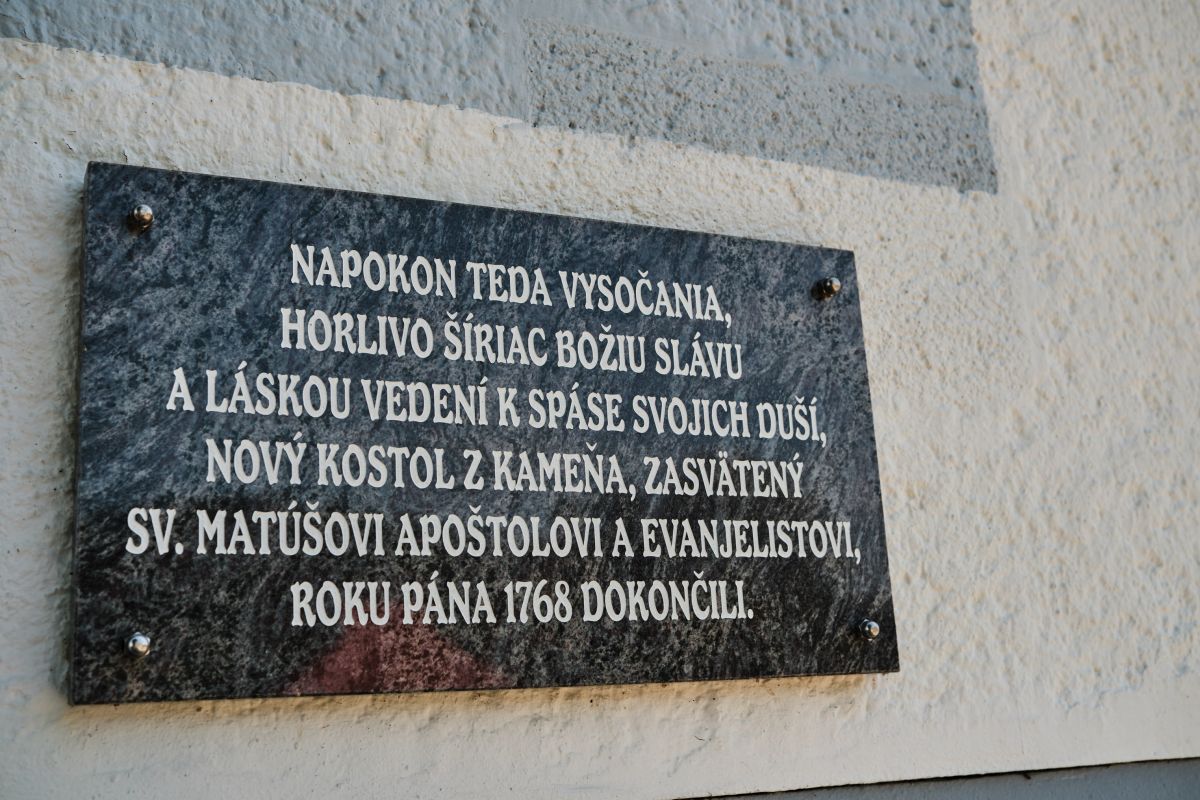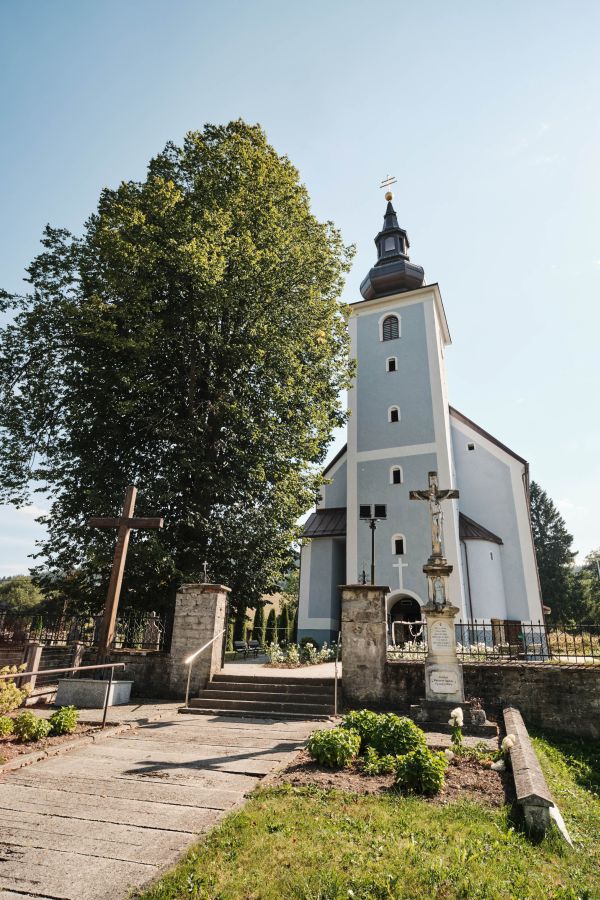
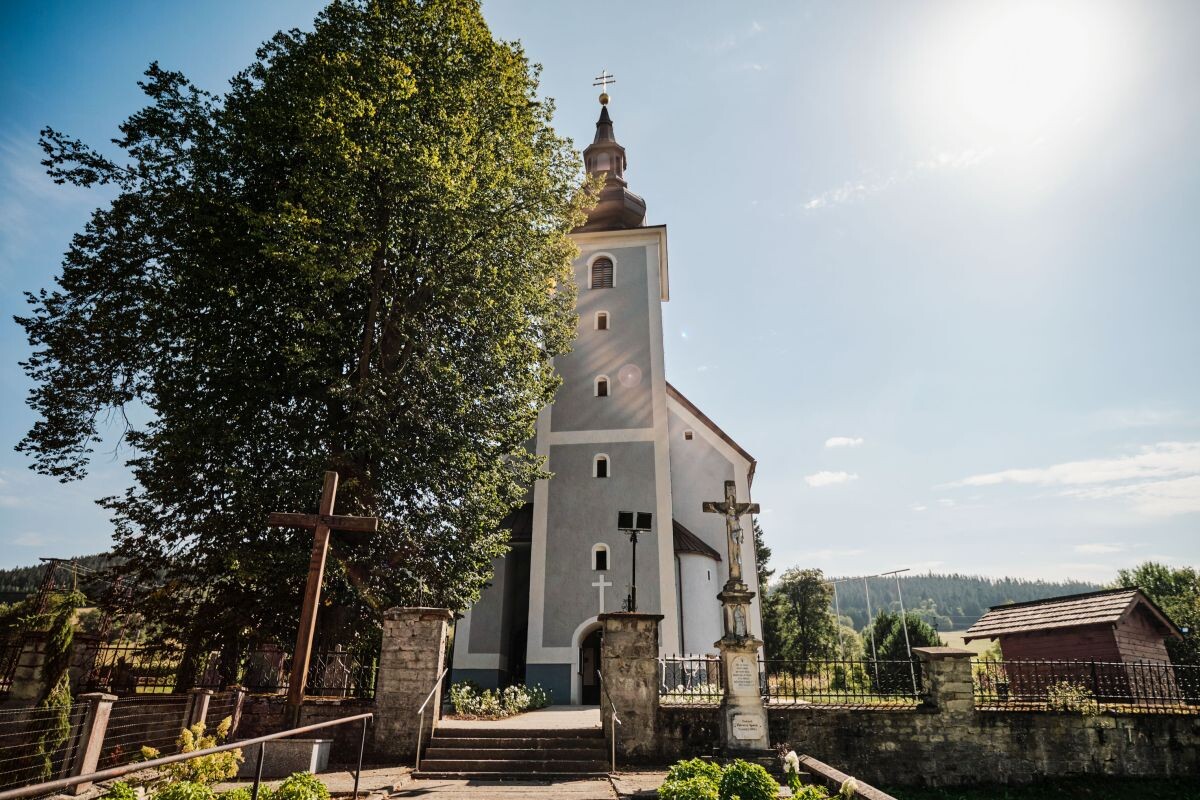
The construction of the Parish Church of St. Matthew the Apostle began in 1767 and was completed in three building phases in the following years. The financial foundation for the church was provided by a fund established by Juraj Rudinec, who was from Vysoká nad Kysucou and at that time he was a parish priest in Balašské Ďarmoty.
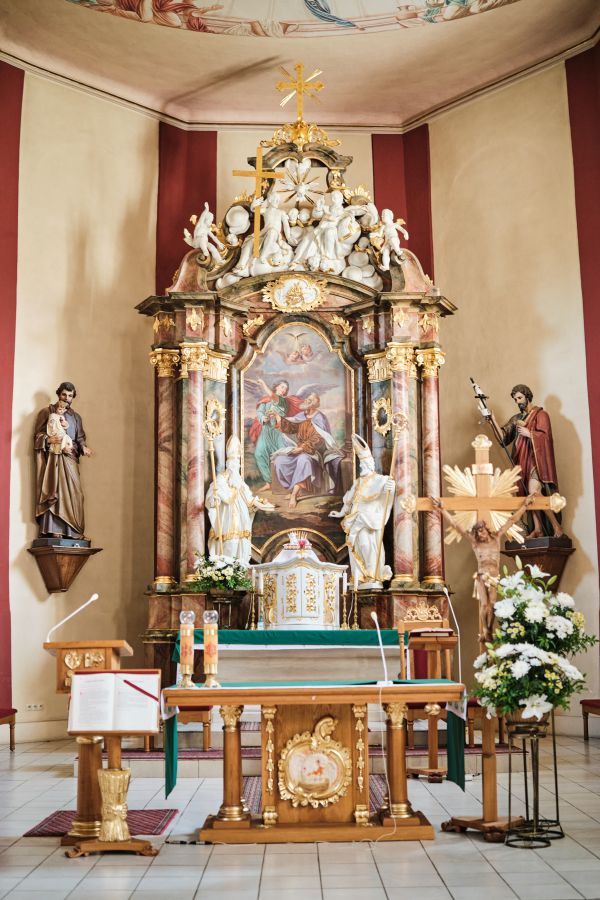
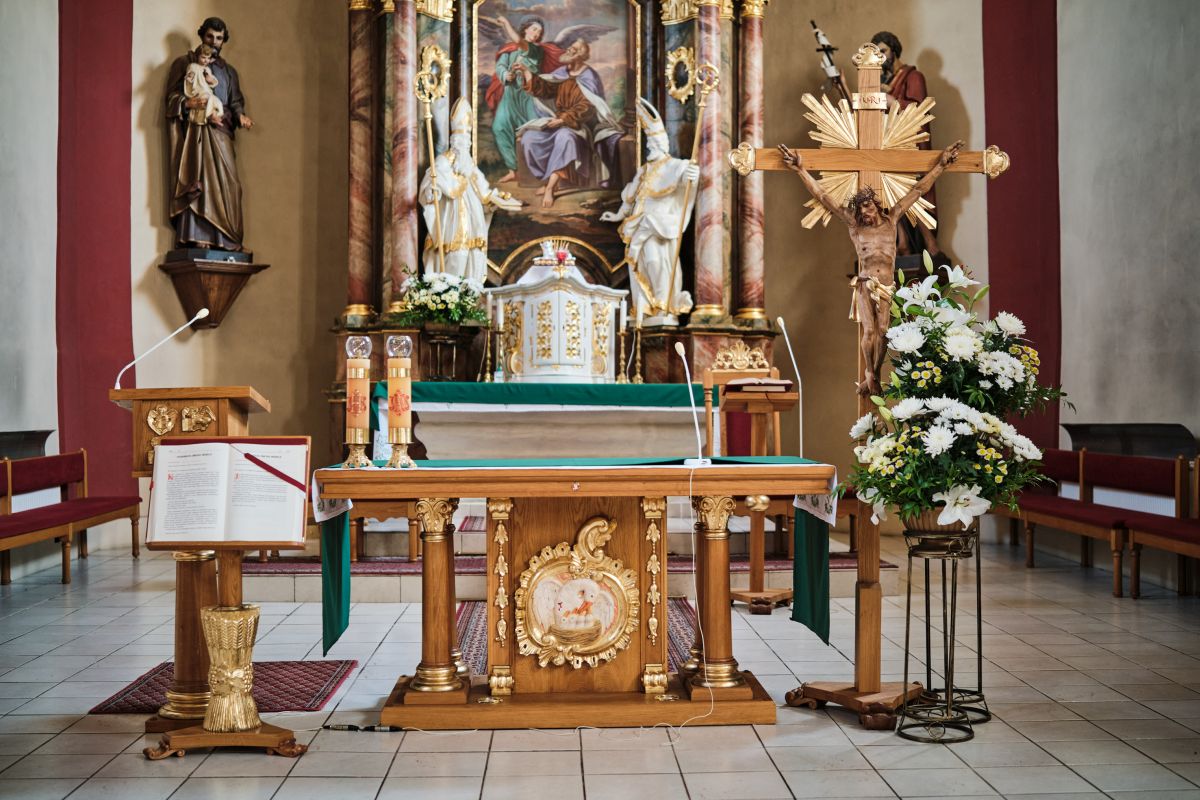
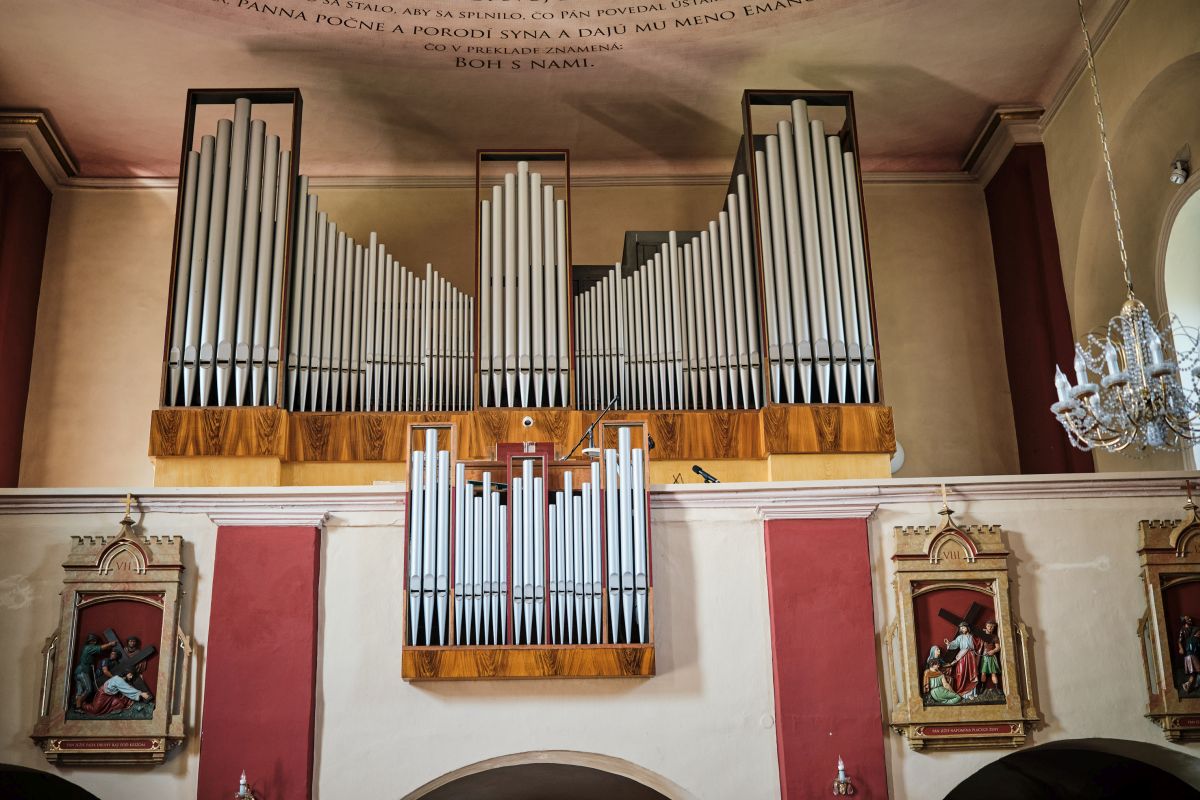
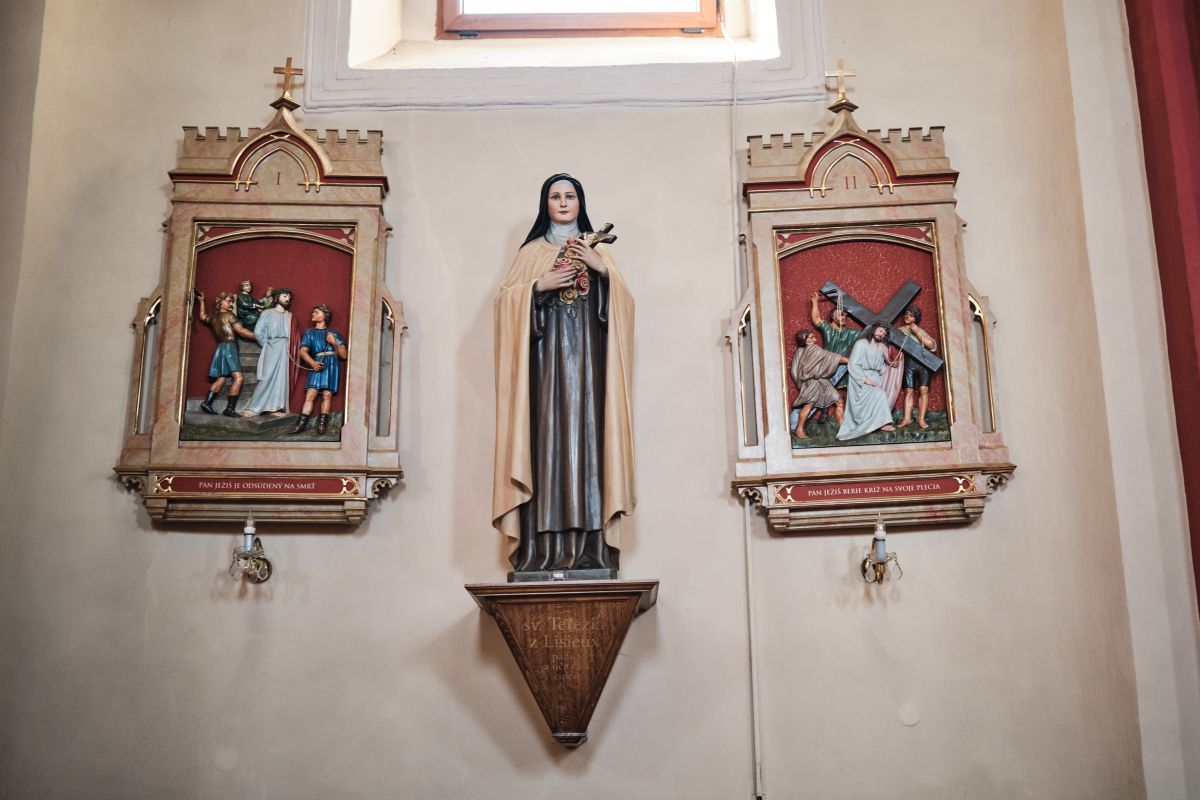
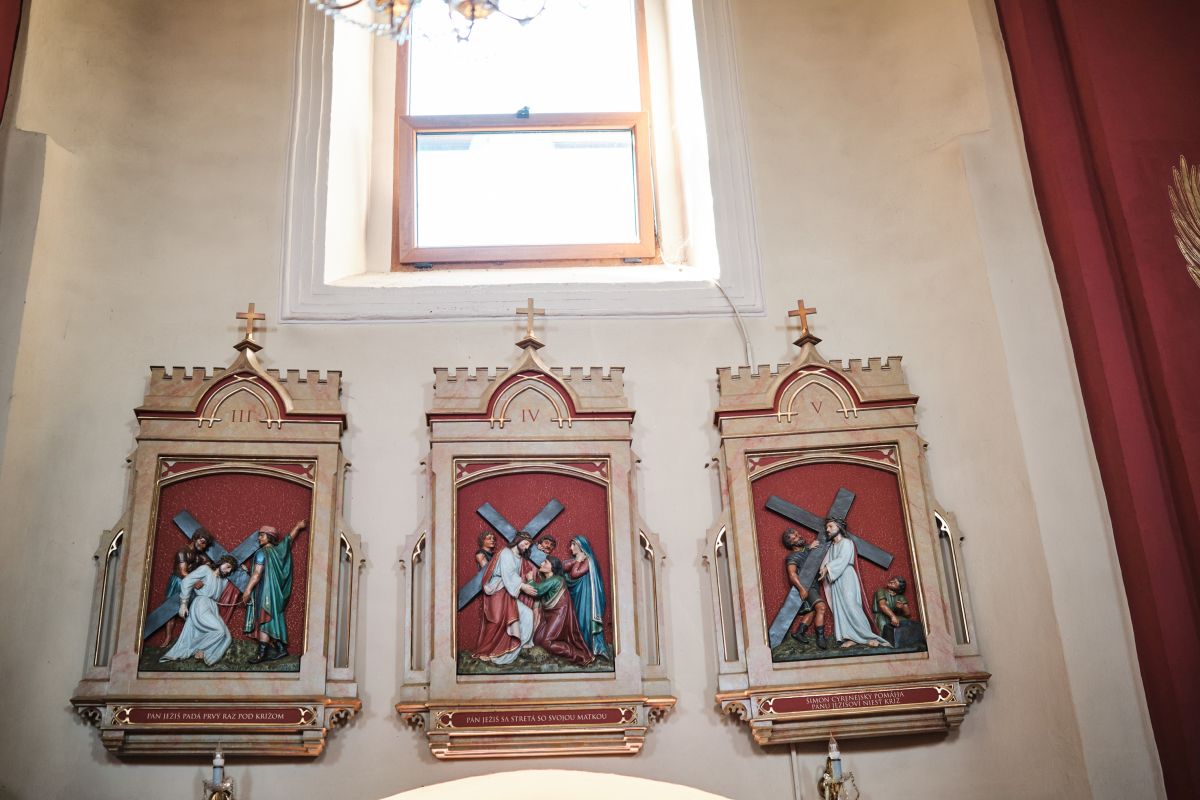
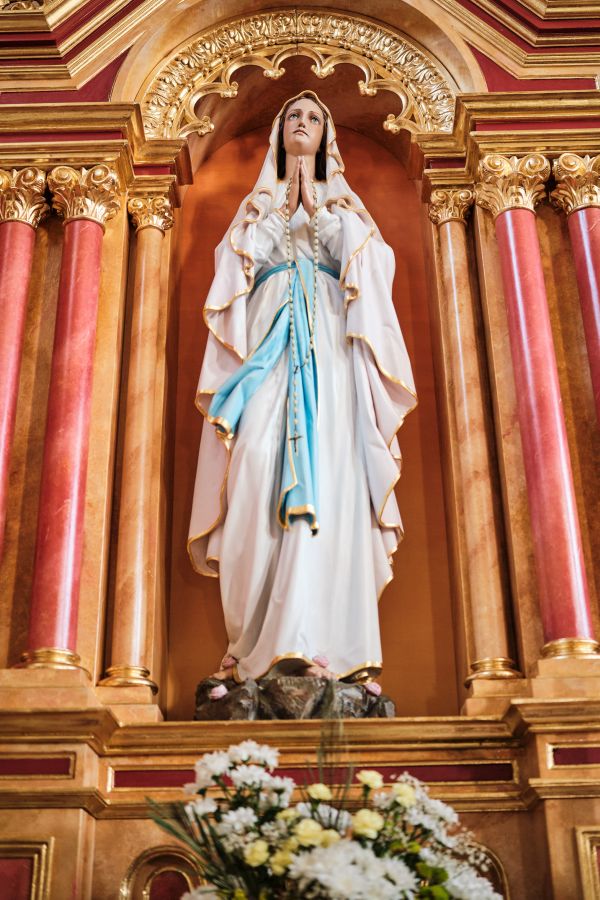
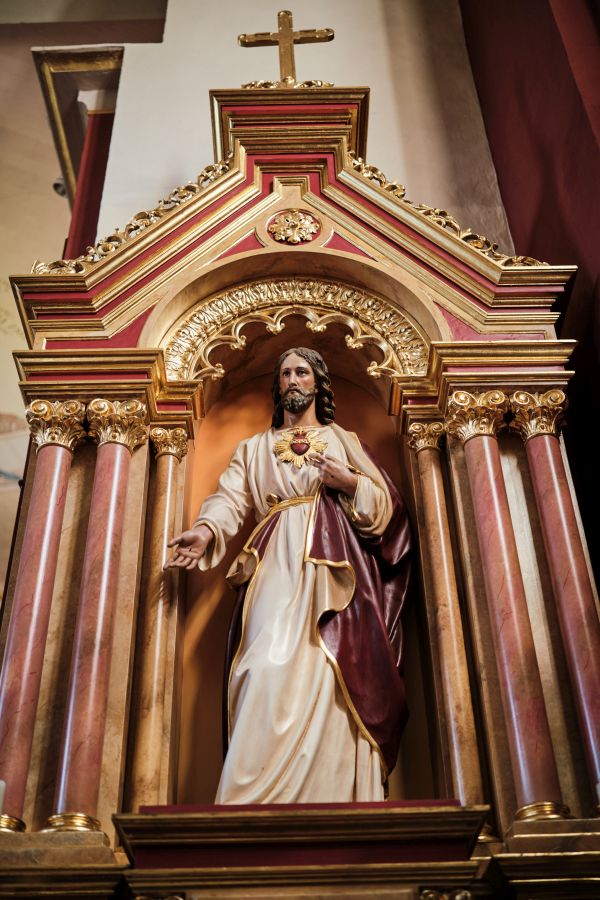
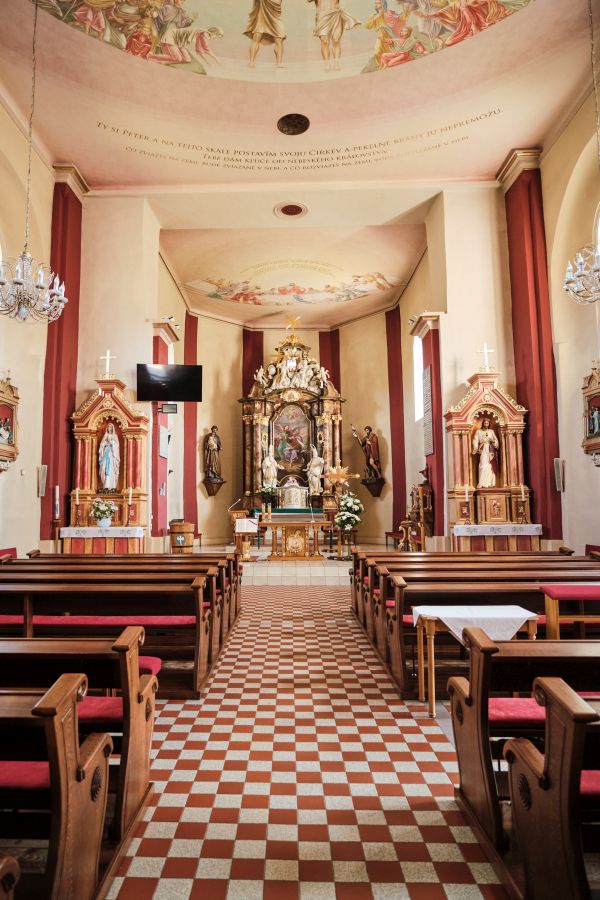
A certain amount was also collected from the faithful, with the largest contribution from the landowner Mikuláš Esterházi. The first description of the church originates from 1771, indicating that it was still incomplete at that time. It was a brick structure with a vaulted interior. The chuch featured a tower, sacristy, and main altar. During the inspection, the side altars and the decorated pulpit were still unfinished. Inside, the church already had an organ and pews. Two bells hung in the tower. The church was fully equipped for celebrating Mass and other rites, and liturgical items were kept in a wooden cabinet in the sacristy. Over time, the church was furnished further and underwent several repairs and renovations. By the end of the 18th century, two additional bells were added to the tower. The church had two entrances: a main entrance under the tower and a second entrance on the western side in the middle of the nave. Since 1770, the church had three altars. The main altar was dedicated to the patron of the church and parish. In 1872, it was restored, and a painting of St. Matthew by Eduard Swierkiewicz, an artist from Těšín, was placed in the center of the altar structure. The side altar on the right featured an image of the Immaculate Conception of the Virgin Mary, while the side altar on the left displayed an image of St. John the Baptist. Today, the right altar holds a statue of the Immaculate Conception of the Virgin Mary, and the left altar holds a statue of the Sacred Heart of Jesus. Along the walls of the church, there were 14 Stations of the Cross, which were donated by parishioner Ján Bobek in 1822. The arch separating the sanctuary from the nave was adorned with the Esterházi coat of arms and an inscription honoring the landowning family.
On the day before the Feast of the Holy Innocents, December 27, 1894, a candle ignited the cloth on the left side altar, and almost the entire altar burned down. The opposing Marian side altar was blackened with smoke, as was the church interior. Replacing the altars was necessary. In 1900, the church ceiling and roof were reconstructed, and the renovated church was consecrated the following year, with a new Stations of the Cross installed. In 1921, the church received two new bells to replace the previous ones, which had been requisitioned for military purposes. The church was extensively renovated under the administration of priest Imrich Kyjaček between 1938 and 1948. The interior was electrified and repainted, and the organ and damaged Stations of the Cross were repaired. Further renovations took place in subsequent years. The last major repair occurred in 2019, when the church tower was completely replaced and fitted with a gilded cross. Since its construction, the church remained unconsecrated for a long time, until September 21, 2009, when it was formally consecrated in a solemn ceremony by the Žilina diocesan bishop, Monsignor Tomáš Galis.
Text by: Mgr. Drahomír Velička, PhD.
Photographs by: Štefan Strýček
Map:
Photo Gallery: