Tips for trips

The Kysuce region is deeply connected to the faith of its local inhabitants, which is manifested not only in the form of churches and chapels but also in wayside crosses and passion monuments. These are scattered wherever the footsteps of ordinary people once led, with heartfelt prayers, requests, or gratitude on their lips.
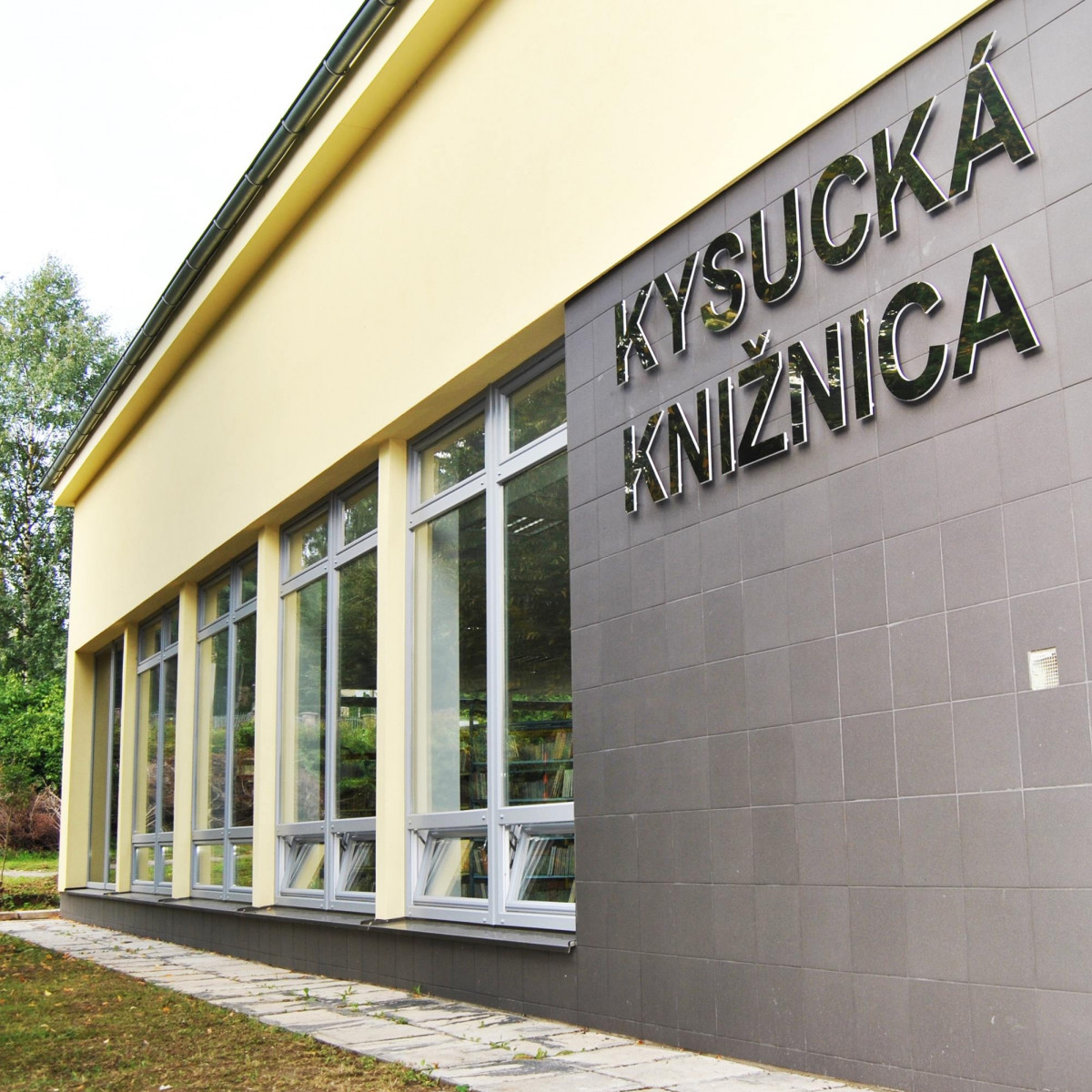
The Regional Library in Čadca is one of the most important cultural institutes in the entire region. Its activities are based on the activities of the former municipal library in Čadca, which was established by the decision of the municipal council on June 10, 1924.
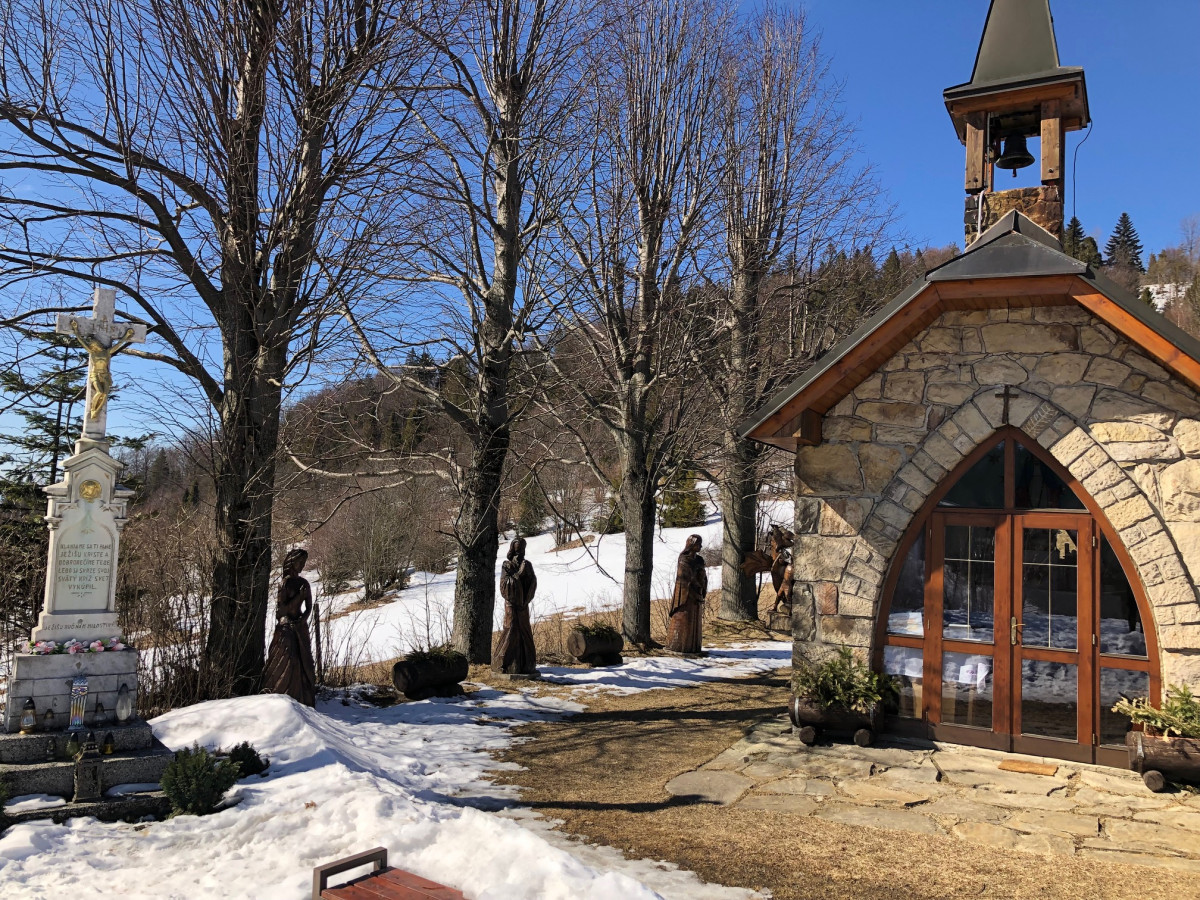
The Chapel of the Virgin Mary (behind the local part of Dedová) was built by local settlers in 1948. The chapel stands in the wild, surrounded by a meadow and a forest. It is one of the most visited chapels in the village of Oščadnica. You can find it in the area between Dedovka and Vyšný koniec.
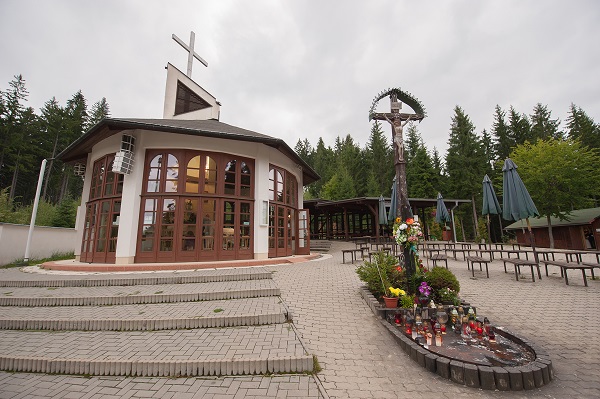
After 1989 the Bishop’s Office in Nitra received many requests from believers asking for a chapel to be built on Živčáková.

The viewing tower can be found in the settlement U Jantov on the hill Diel in Krásno nad Kysucou. The elegant and slender tower offering enchanting views has already become a dominant feature of the town.
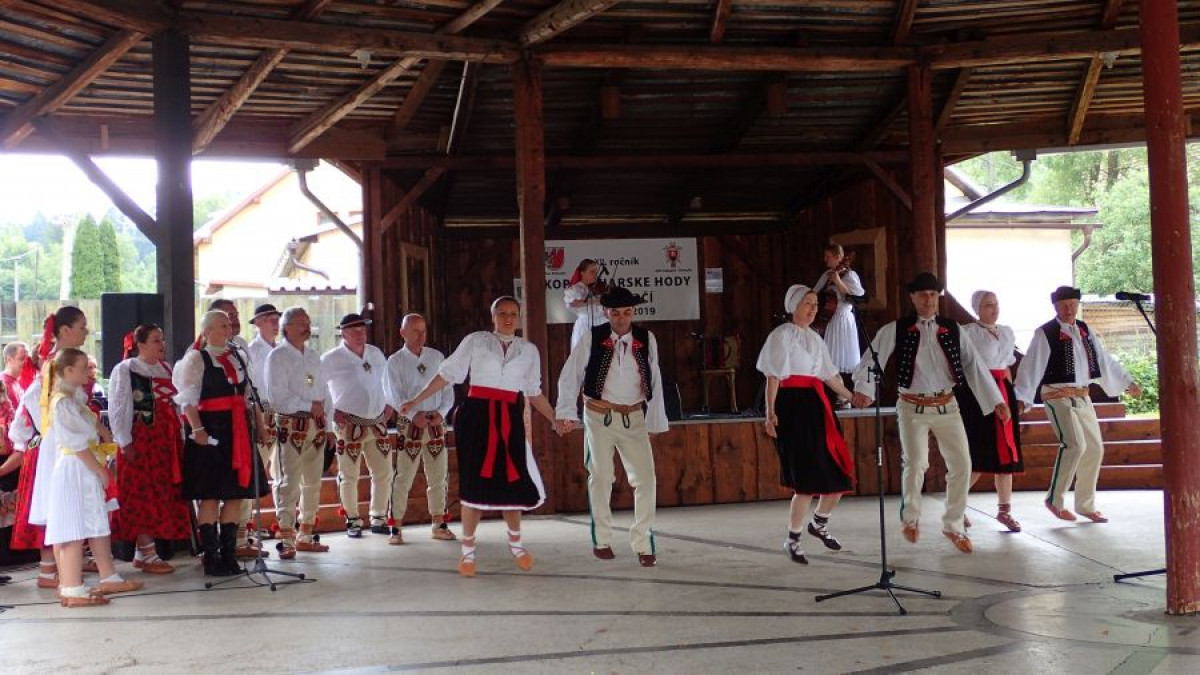
At the occasion of the Feast of St. John the Baptist, the patron of our church, a village fair is held in our village every year in June.

Blažkov Stone Bridge is the largest all-stone bridge in Slovakia built in 1835 by Italian builders.
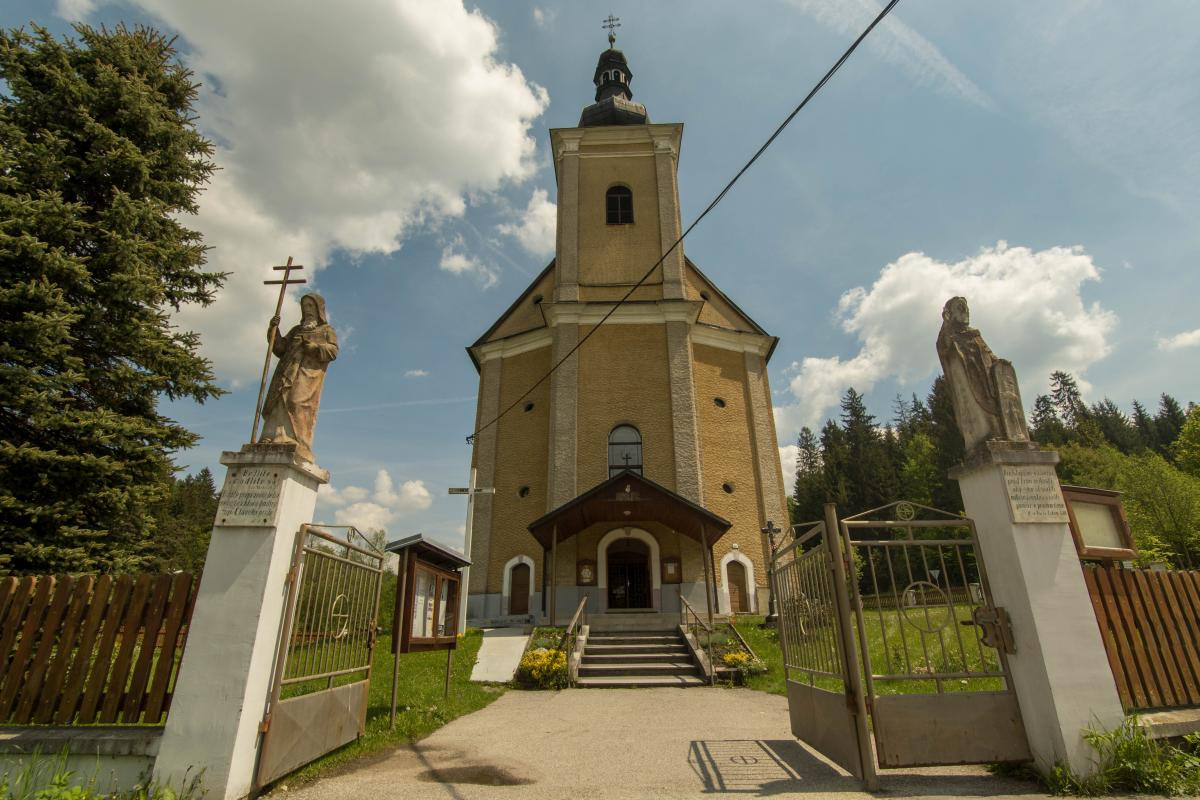
The church built in the baroque-classical style from 1971 is a dominant feature of the village. The painting of St. John the Baptist placed above the main altar dominates the Church which is consecrated to St. John the Baptist.
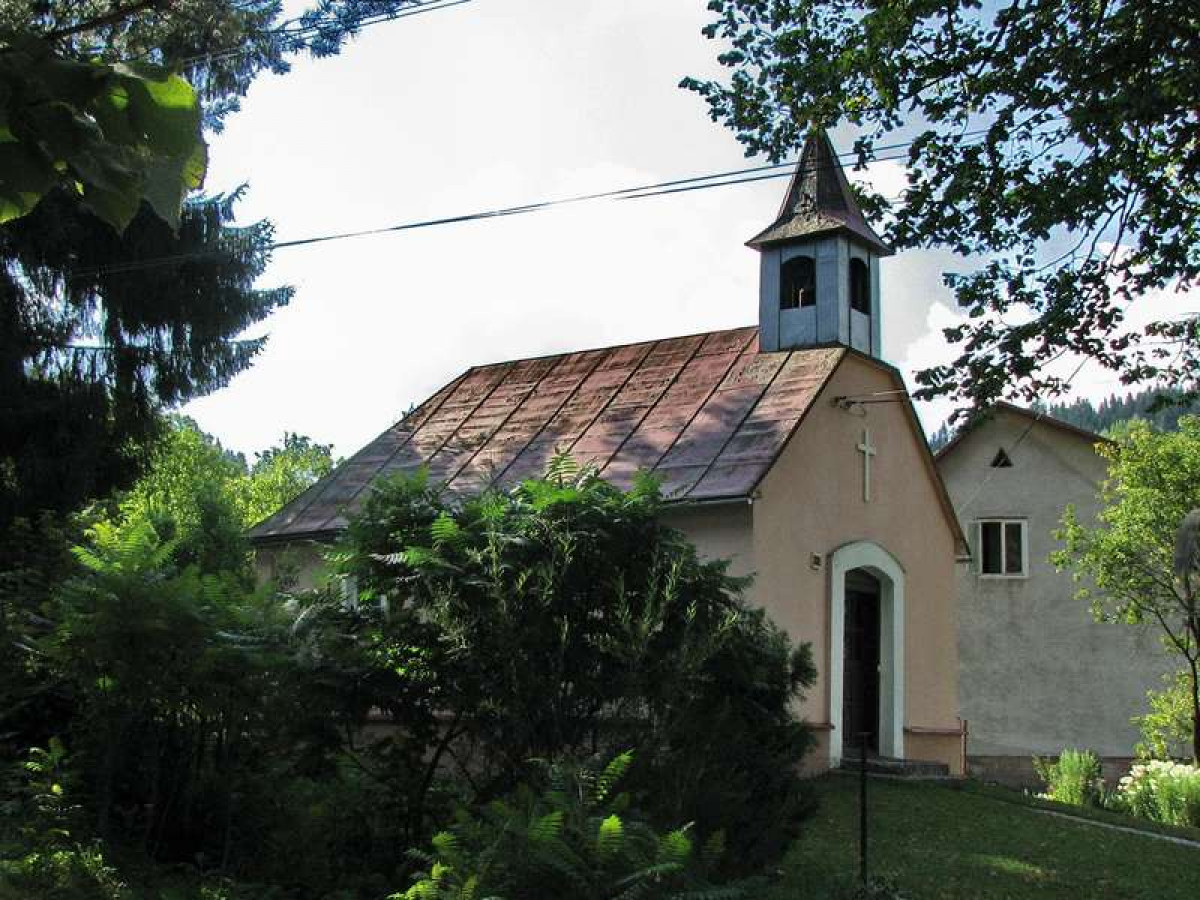
As recorded in the parish chronicle, an initiative to build a chapel near Rulcov was presented as early as in 1947. Over the course of four years, it was slowly acquiring its form until its final completion and consecration to the Veneration of the Divine Heart.

The Chapel of the Divine Savior located in the settlement U Holešov was built in 1925 by local settlers. The chapel stands isolated in the wild, on a gentle slope under the forest.

The Chapel can be found in the stellement of U Cabukov in the Municipality of Zákopčie in the highlands above the Rulcov valley. It was designed by a professional wood carver Stanislav Maléř who intended to build a completely new chapel and thus faced a huge challenge.
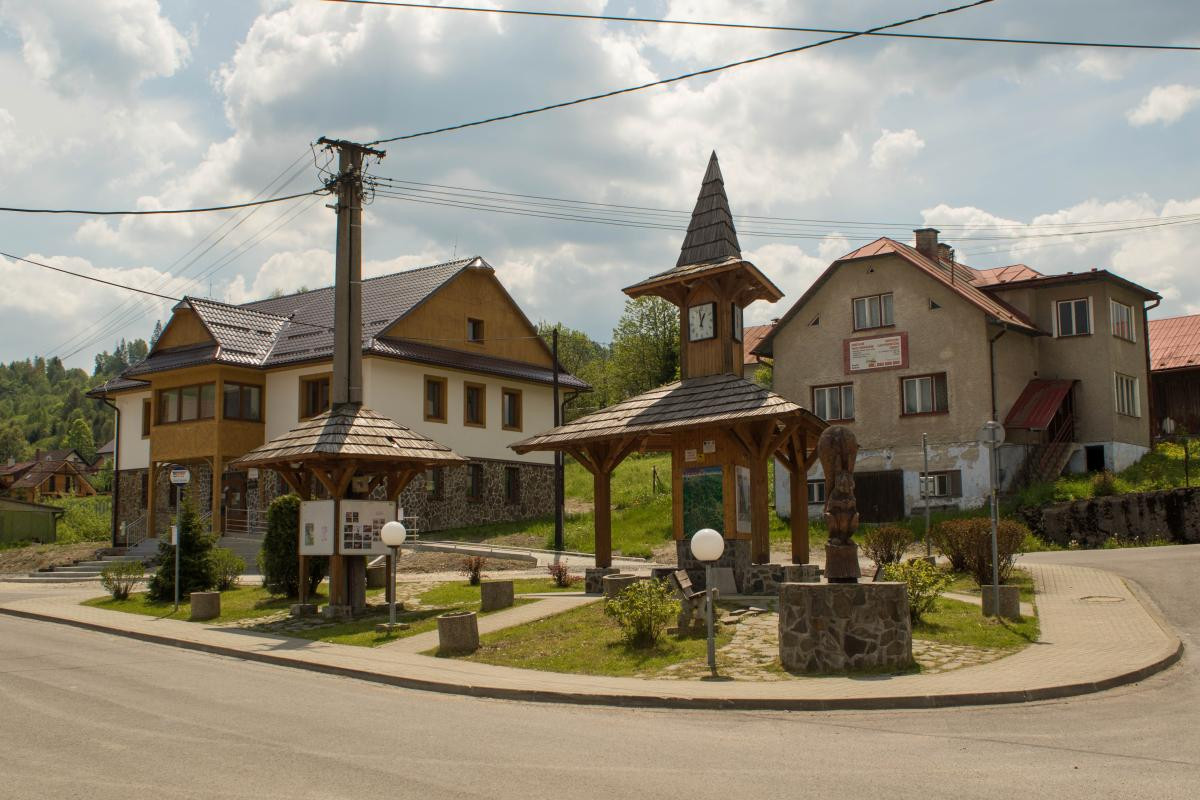
The Municipality of Zákopčie is located in the north-eastern part of the Javorníky mountain range giving a unique character to the location. The cadastre of the Municipality covers an area of 2,963 ha.
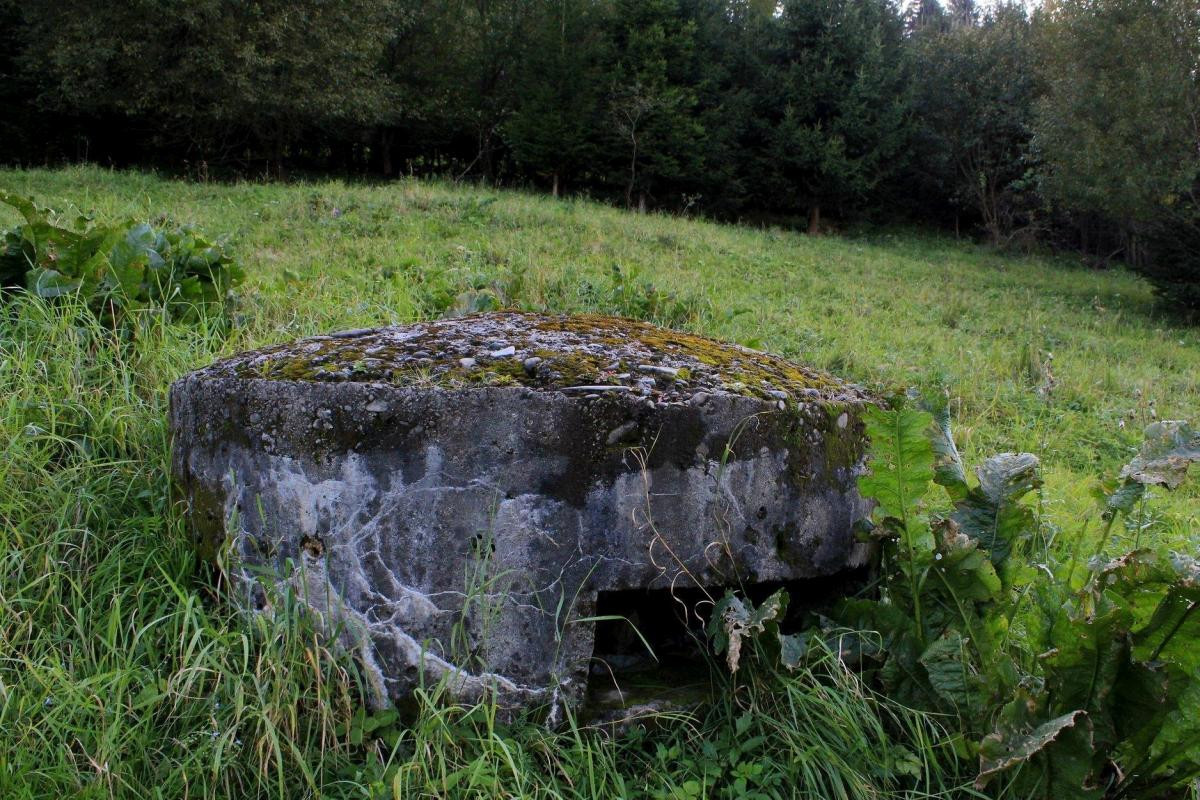
More than two dozens of bunkers, hundreds of meters of connecting trenches, remains of observation and command posts have been preserved in the local forests, on pastures, meadows, and in the gardens of the local houses.

The Belltower at the settlement of Greguši is one of the dominants of Makov. It was the only building that remained in the settlement after it had been burned by Nazi soldiers on 13th December 1944. The original wooden bell tower was built as early as 1850. It was replaced by a newer one in its present form only in 1997, when it was consecrated by the parish priest Pavol Mitaš.
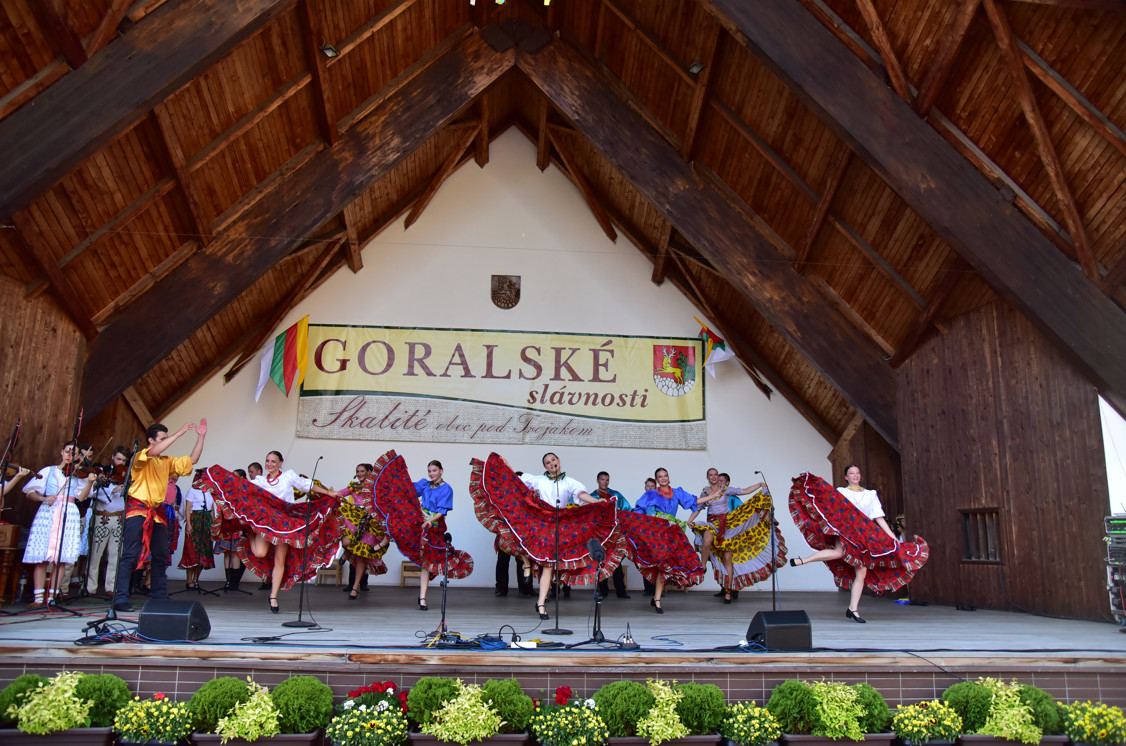
Goral Festival in Skalité is a very special event organized at the occasion of Midsummer night, the symbol of which was a bonfire lit in the early evening of St. John the Baptist, who has been the patron saint of the parish and the church since its foundation. This ancient custom became the inspiration of the festival of Goral culture. The signs of the Goral culture in Kysuce reflect Slovak-Polish relations and the very closeness of these two countries.

The Chapel of the Ascension of St. cross in Kudlov was built on the site of an old wooden chapel built in 1911, upon the initiative of Juraj Krčmárik.

The Parish Church of St. John the Baptist is the dominant feature of Skalité. It is already the third church in the village and the only one still standing today. The church was built in the late Baroque style.
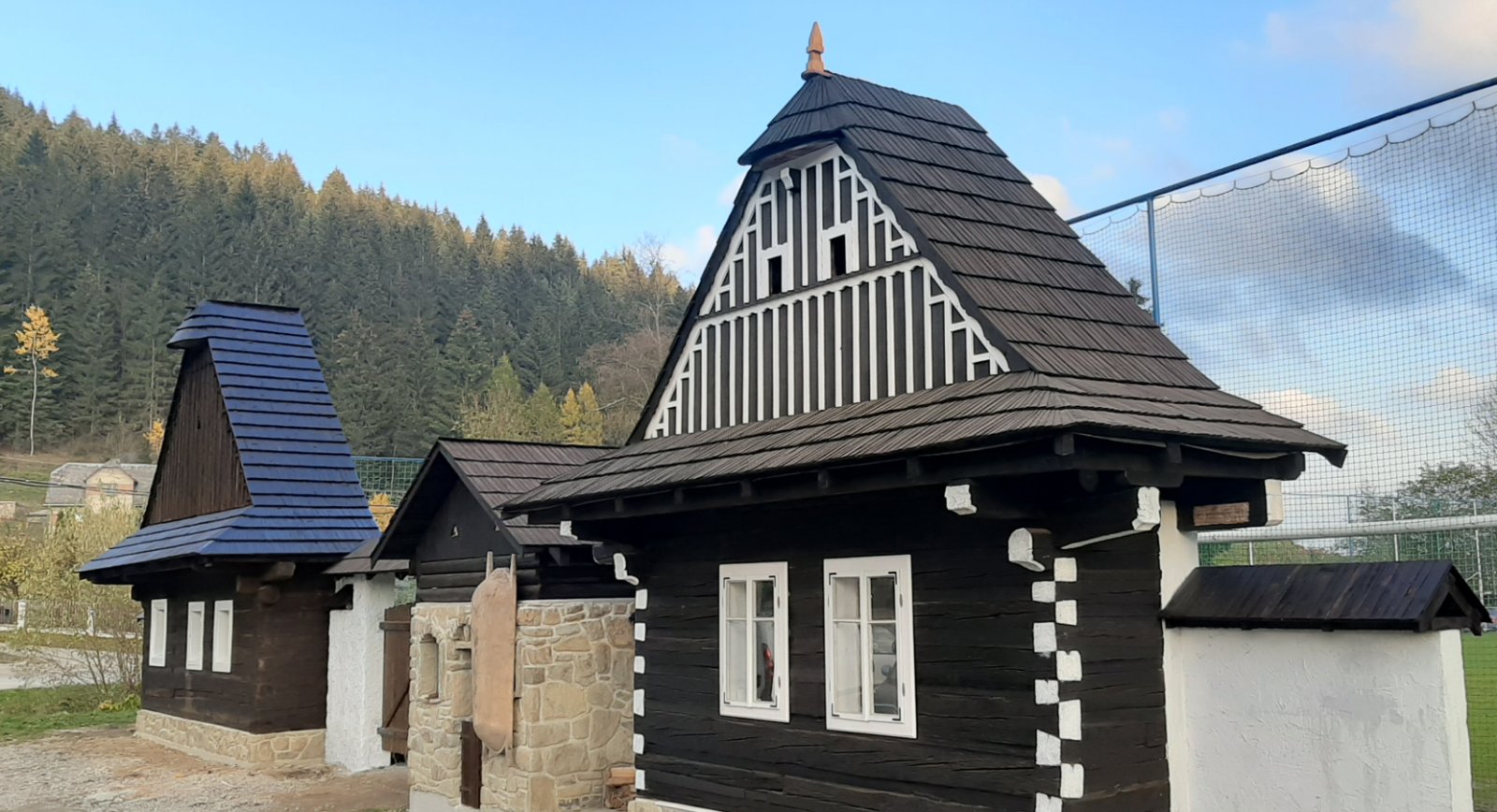
The Wall of History, a unique project aimed at saving the historical heritage and architecture of the Kysuce Region, is one of the most visited places in the village of Korňa. The Municipality of Korňa, in cooperation with the Kysuce Tourism Organization, joined their potential to meet the aim of saving the historical heritage and architecture of the Kysuce Region and to create attractive places for those coming to Kysuce.
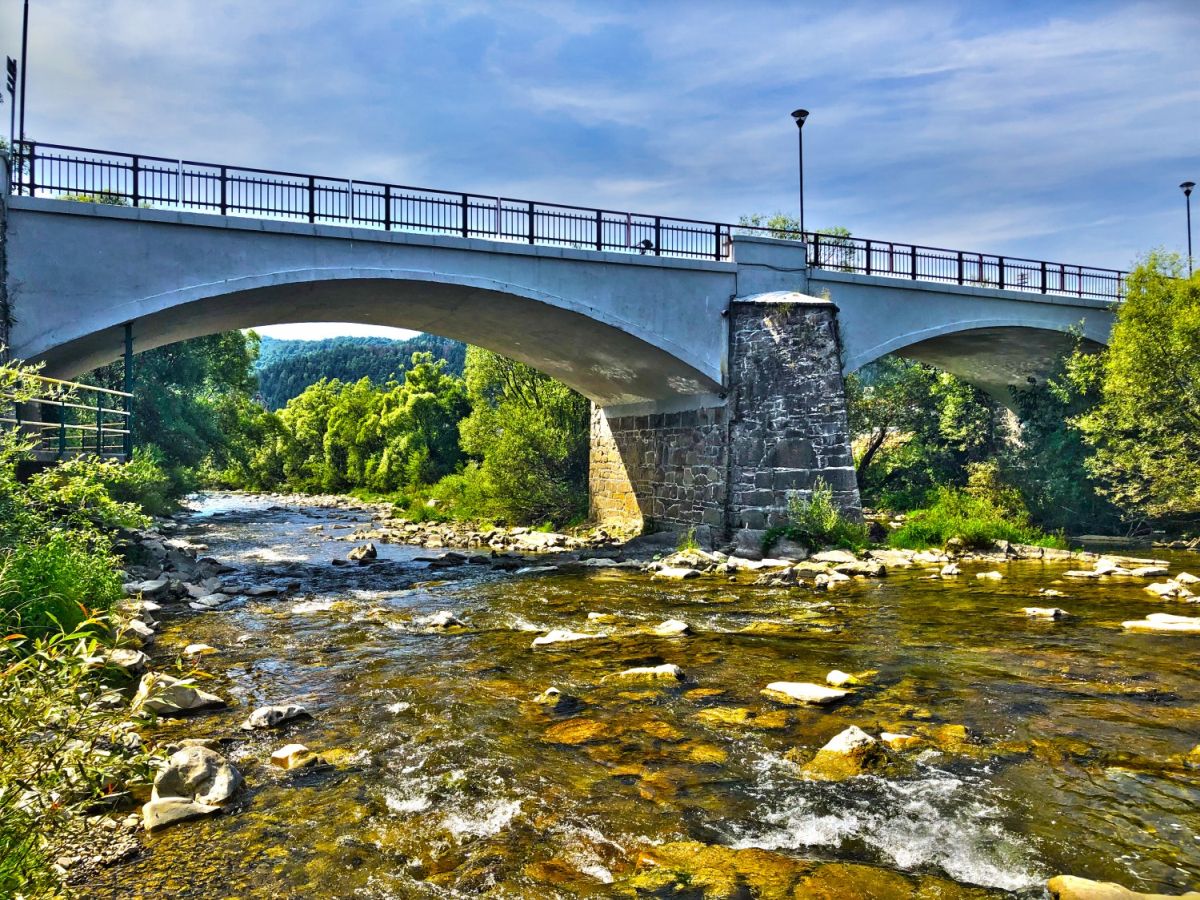
The bridge built in 1891 by the Company Wayss is the oldest reinforced concrete bridge in Central Europe. There is the statue of Ján Nepomucký (John of Nepomuk) on the bridge.
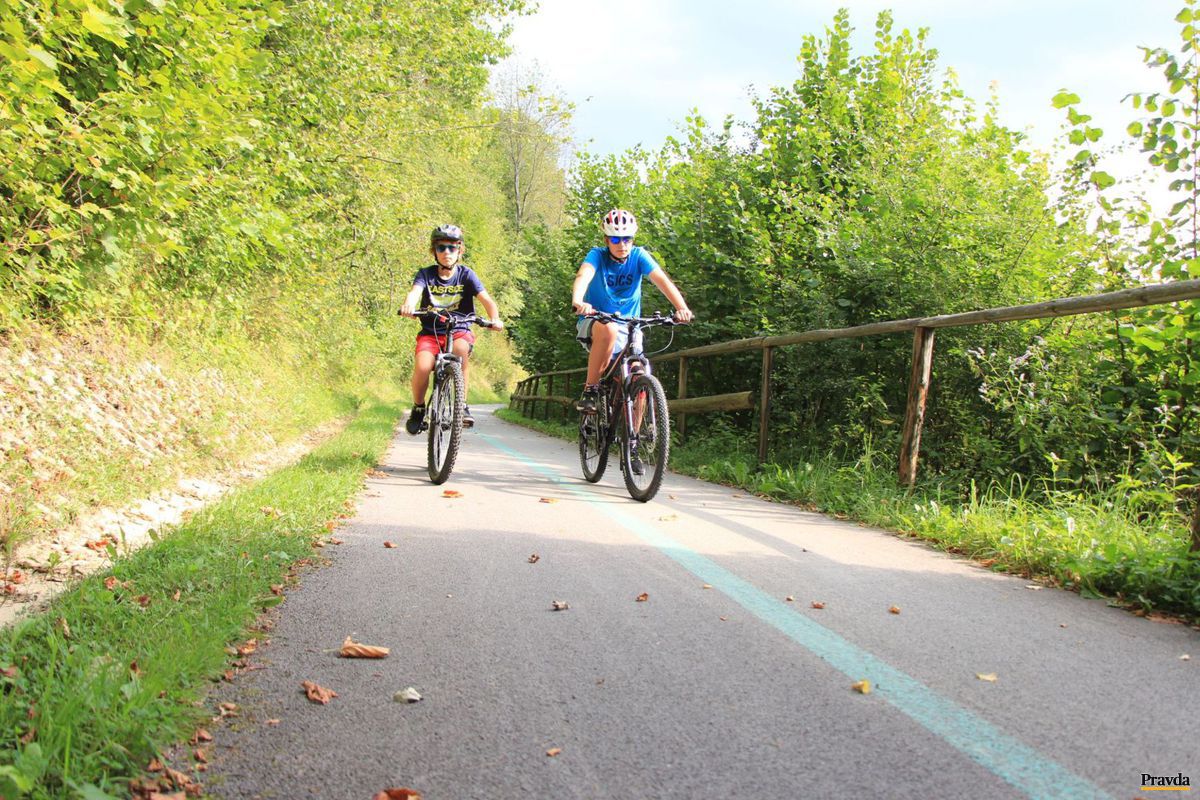
Krásno nad Kysucou is a crossroads of cycling routes. The sculpture entitled "Wheels of Joy" epitomizes a proud cyclist with golden hair and the Bunkers from II. World War II Tobruk type (ringstand 58c) remind of the war history of the location. After 75 years, the bunker was equipped with a machine gun that contributed to the authenticity of the shelter.

In terms of its length, it is the largest church in the Region of Kysuce. The interior hides a real artistic masterpiece and a rare monument from the Gothic period - a wooden sculpture, the statue of the Gothic Madonna and Child dating back to the end of the 15th century.
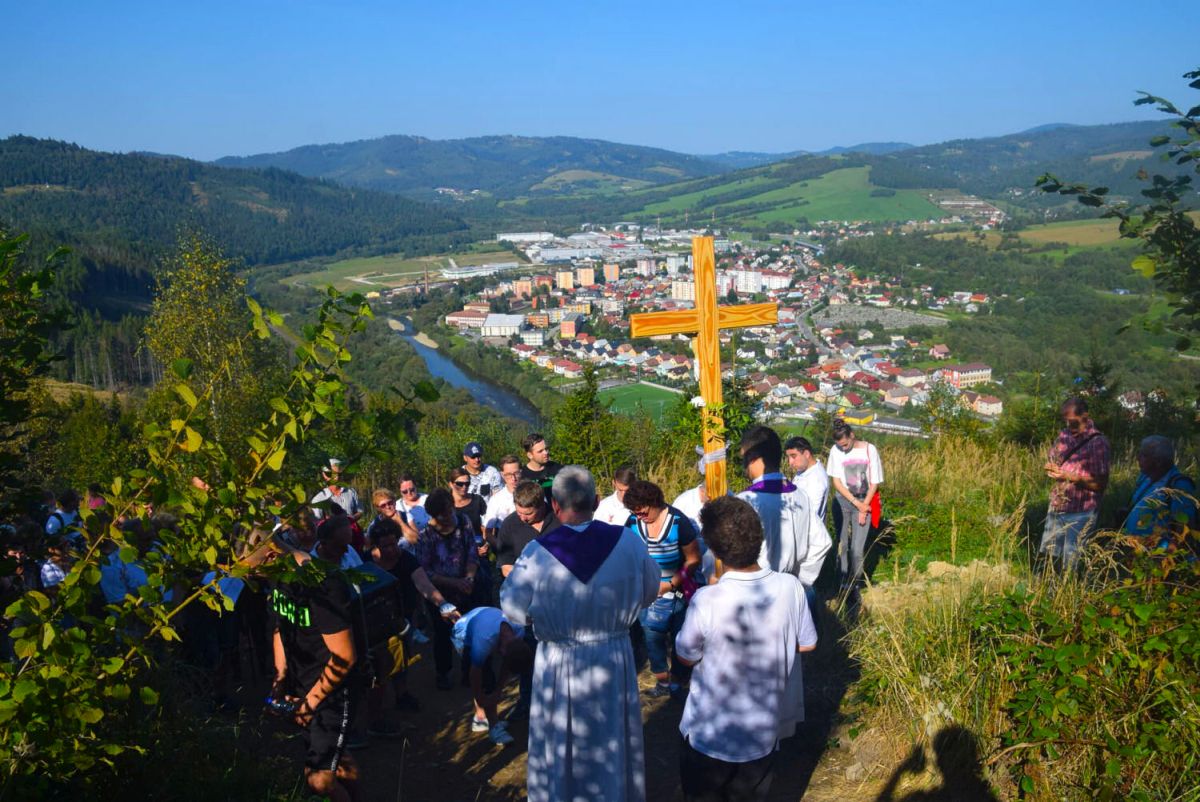
The Calvary consists of 14 stops with unique metal sculptures designed by the sculptor and architect Stanislav Mikovčák.
Kysuce. A well-known place for some of us and an undiscovered corner of Slovakia for the others. You might primarily associate it with a notoriously known locations such as the open-air museum in Vychylovka, the Slovak Astronomic Clock, Veľka Rača peak or the Javorníky mountain range.
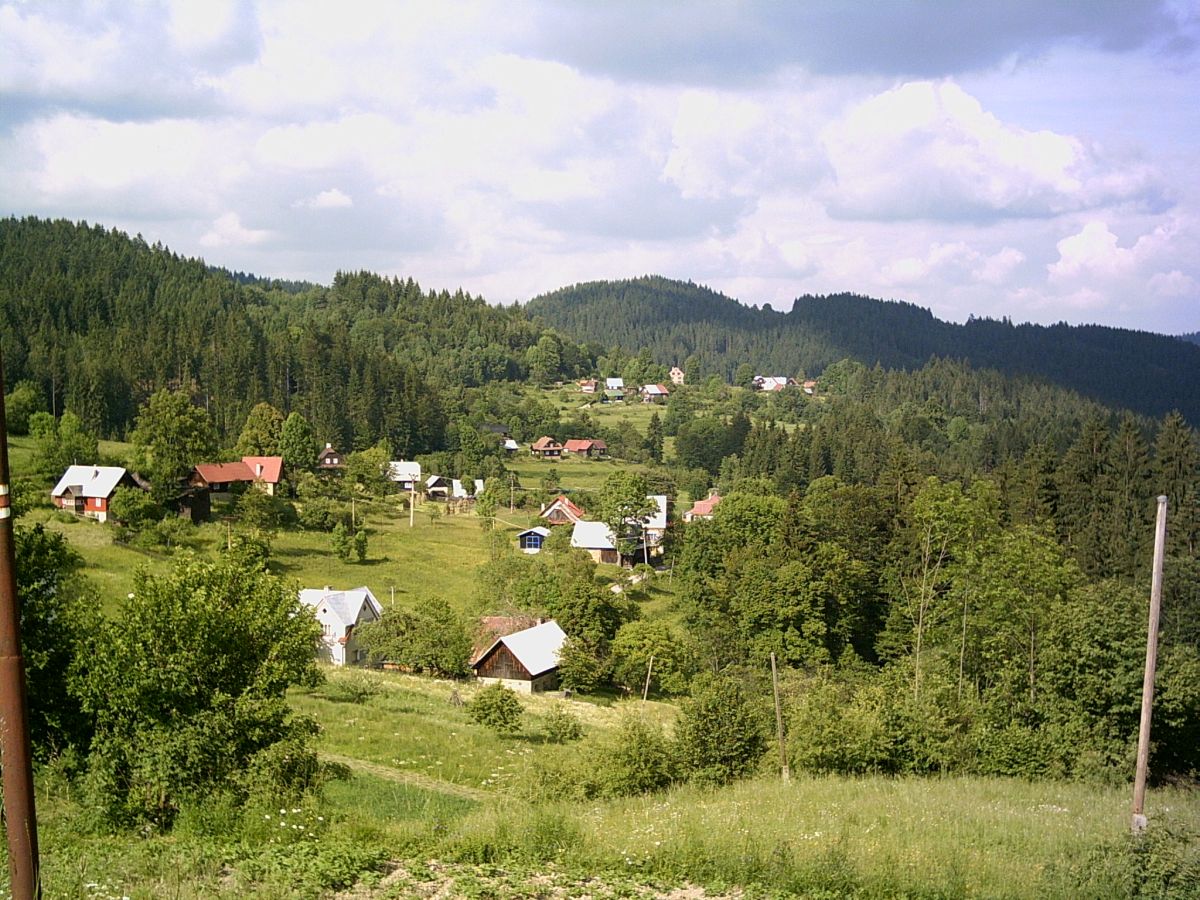
The first written mention of Vysoká dates back to 1615 when it was mentioned under its former name “Lupežov” in a witness statement regarding banditry. The colonisation of the area led to the creation of hill settlements and hamlets.
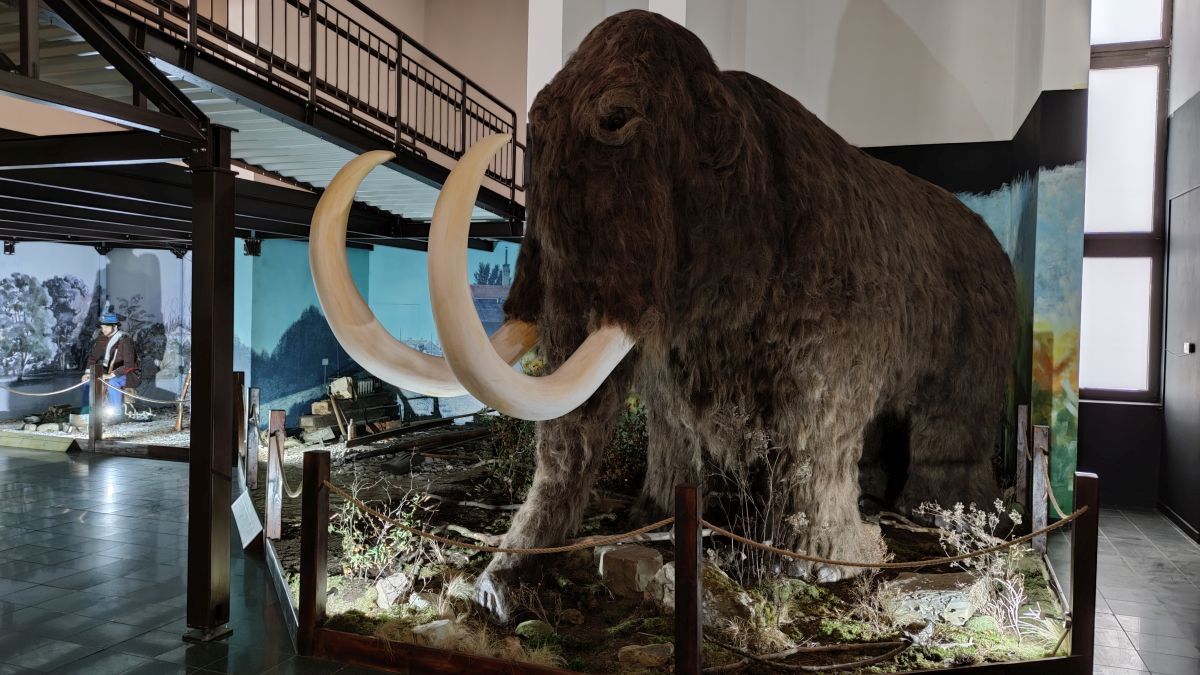
It offers its visitors interesting exhibitions, the main attraction being a life-size replica of a female mammoth.
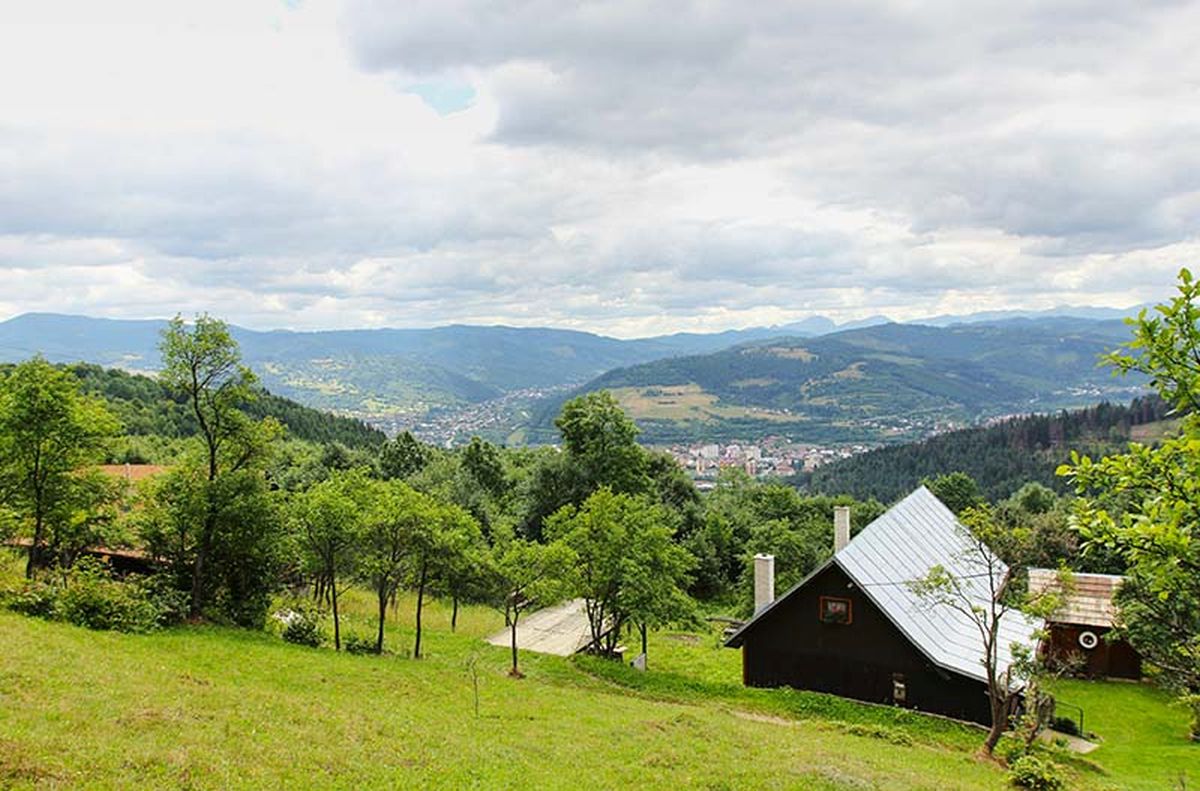
Nature lovers visiting Kysuce are offered the heritage of our fathers in form of historical settlements combining beautiful nature and folk architecture. The settlements in Krásno are simply a feast for your eyes and a stroke for your soul.
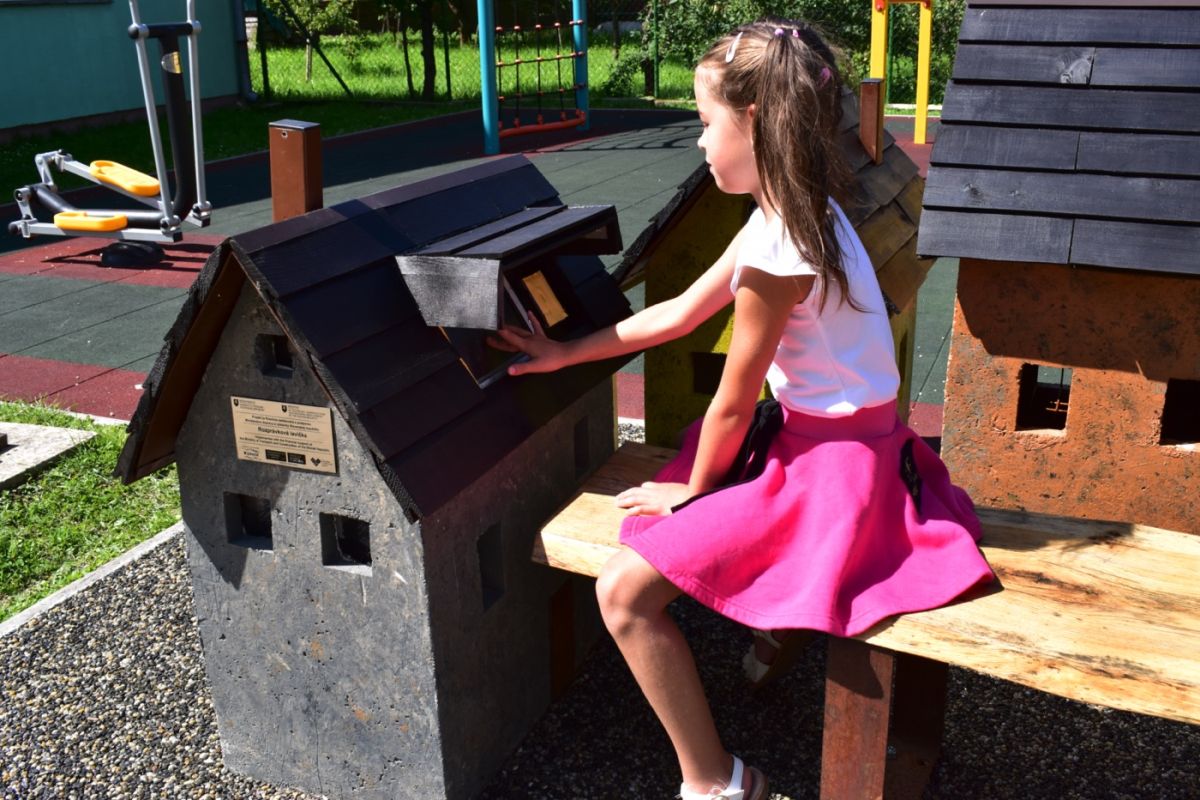
It is said that one needs to find time for a fairy tale. But, what if not? What would happen if you met a fairy tale just by chance when you sit down on a bench, and it suddenly starts telling you a fairy tale?

The settlement of Klokočov ranks among a few exceptional locations where unique spherical sandstone formations can be found, thus making the location of Klokočov a nature reserve.
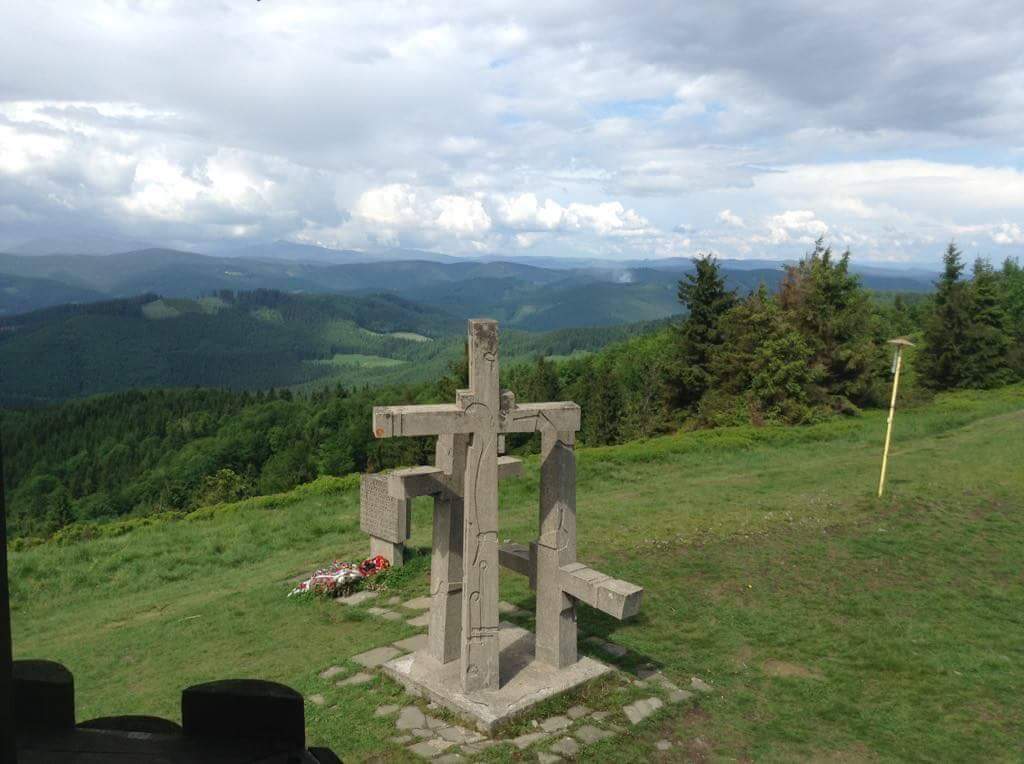
The hill Stratenec rising to a height of 1055 m above sea level is the westernmost peak of the Javorníky mountain range. It is located near the Slovakian-Czech border, on the cadastral boundary between the municipalities of Papradno and Makov.
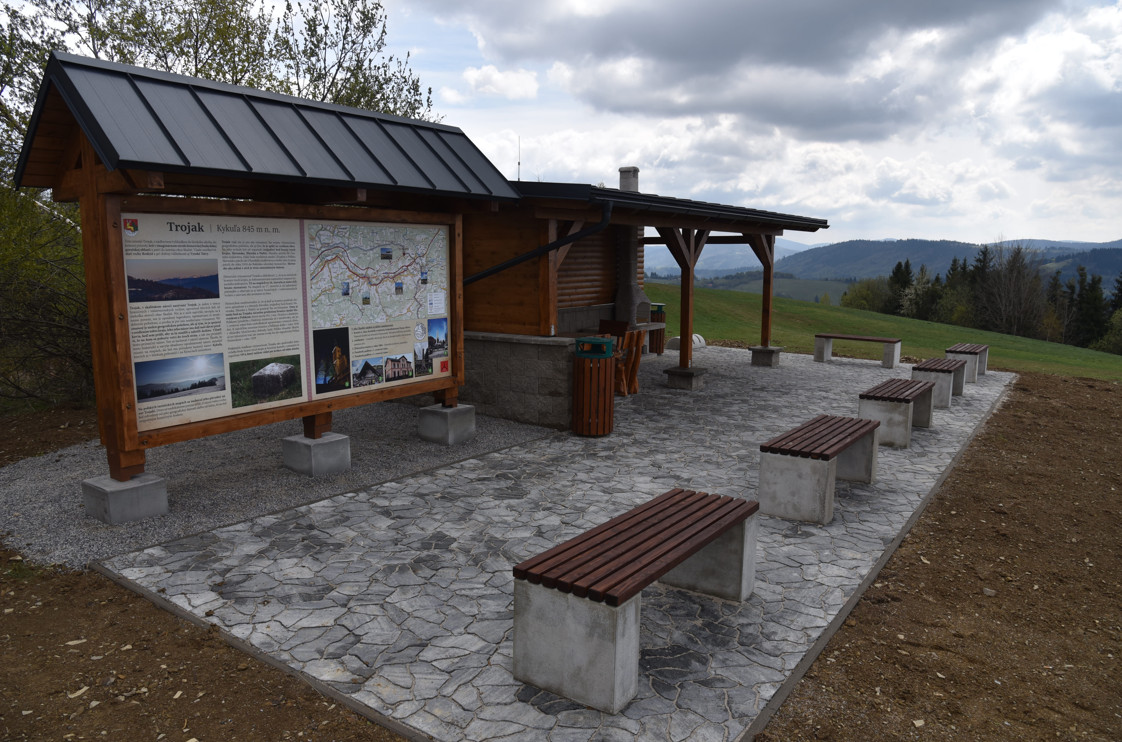
Trojak or Trojok in the local dialect of Skalité is one of the border hills forming a circle where the Municipality of Skalité has been existing for several centuries. It is significant due to both, its geographical location and due to its cardinal impact on the settlement of the whole region.
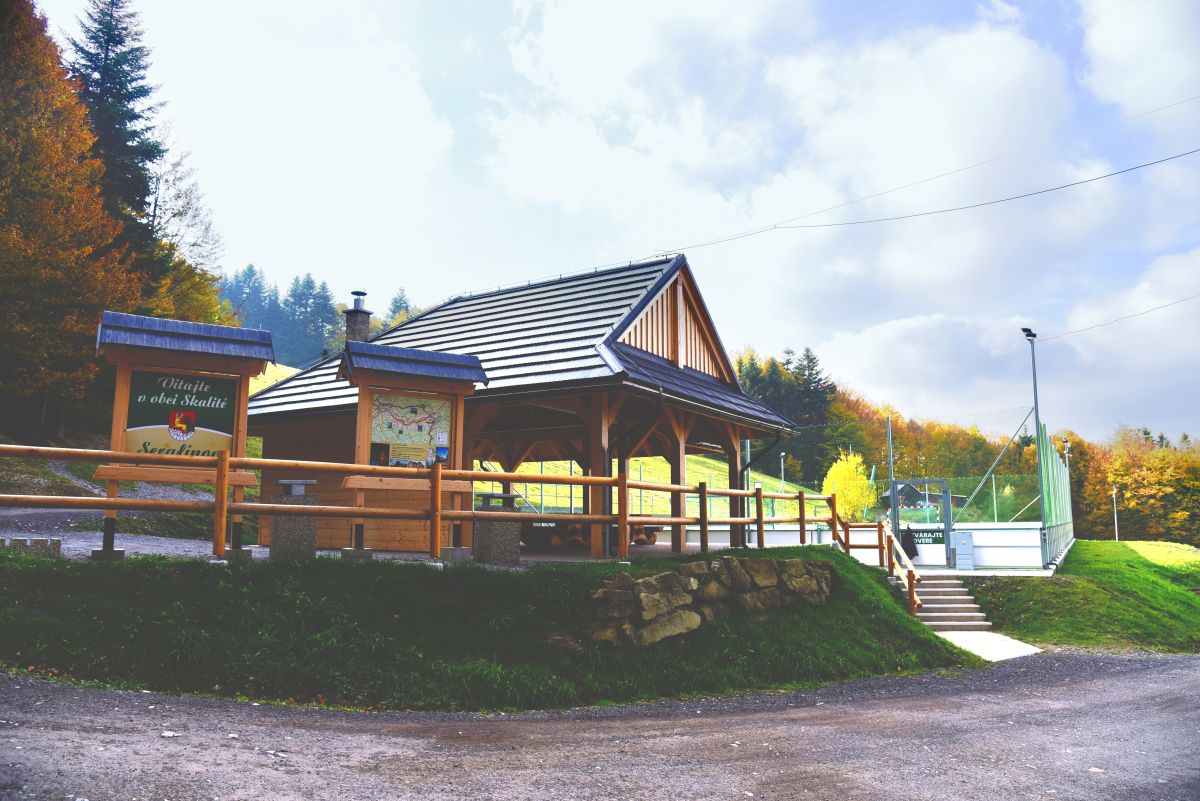
A new leisure area with a gazebo has been built in the former ski resort Skalité - Serafínov (Slovak-Polish border). The gazebo is intended to provide rest and relax to visitors and residents who can prepare a simple meal on a built-in fireplace. Multifunctional playground near the gazebo is a fine place for the young ones. In its vicinity, there is a restored bunker from WW II.
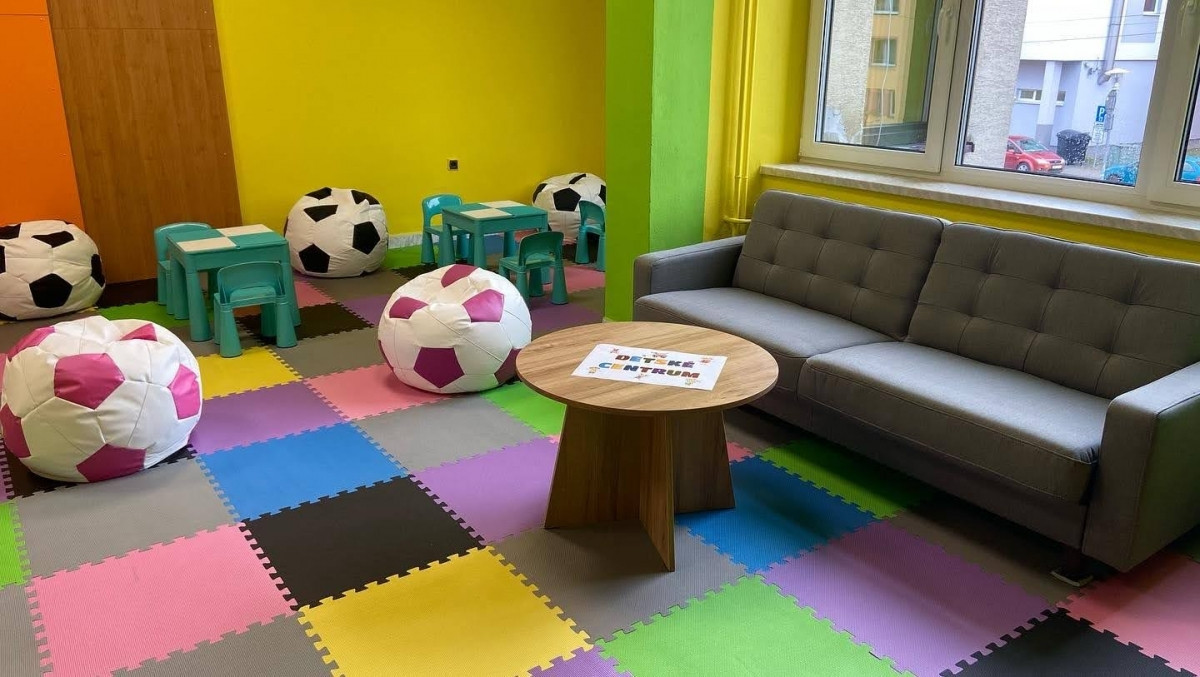
The child centre in Krásno nad Kysucou that was officially opened on March 24, 2022 is located on the 1st floor in the building of the cultural centre (entrance directly from the square).
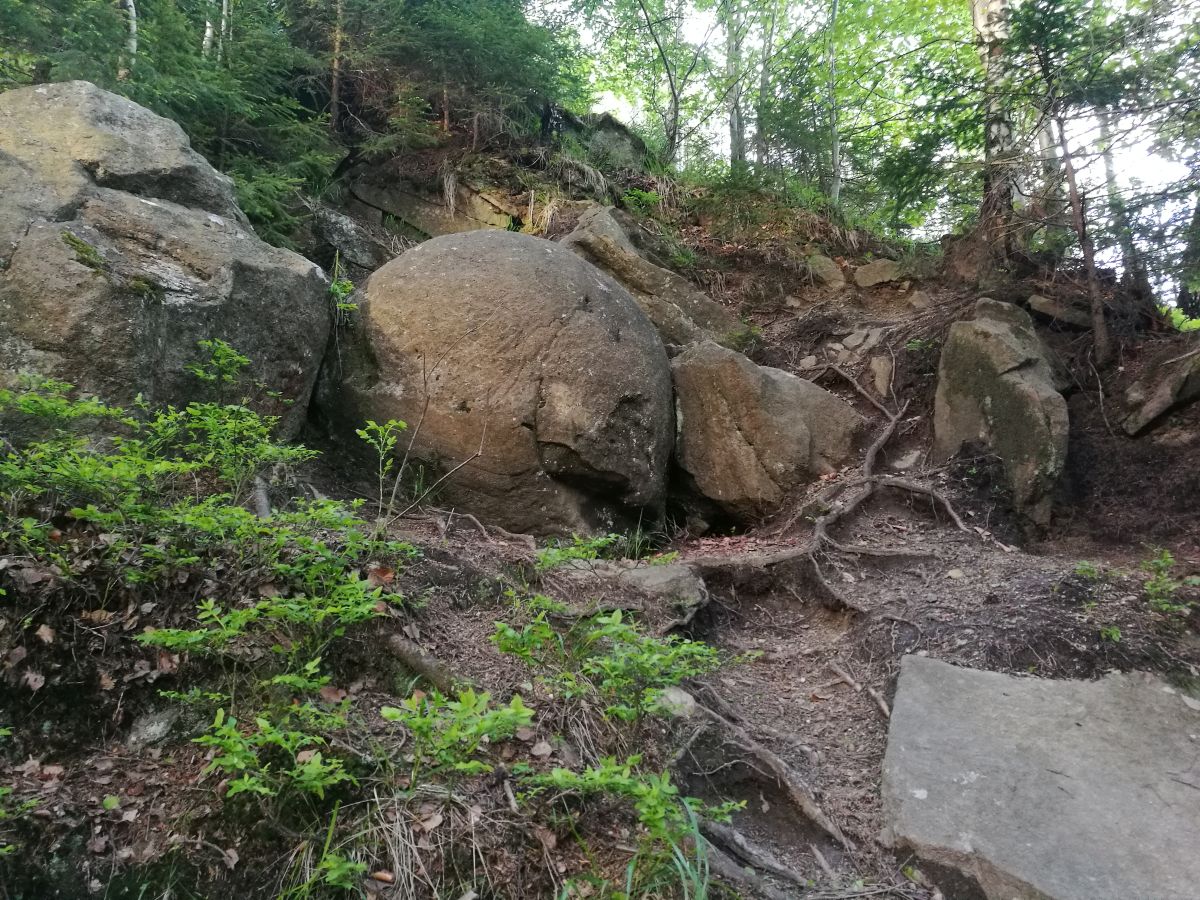
The unique natural creation of stone spheres can be found Čadca - Milošová, near the border with the Czech Municipality of Mosty u Jablunkova. In the 80s of the 20th century, regular round spheres with a diameter of 10 to 260 cm slipped out of the rock face after it had been blasted (there was a quarry where stone was mined for the treatment of mountain streams).
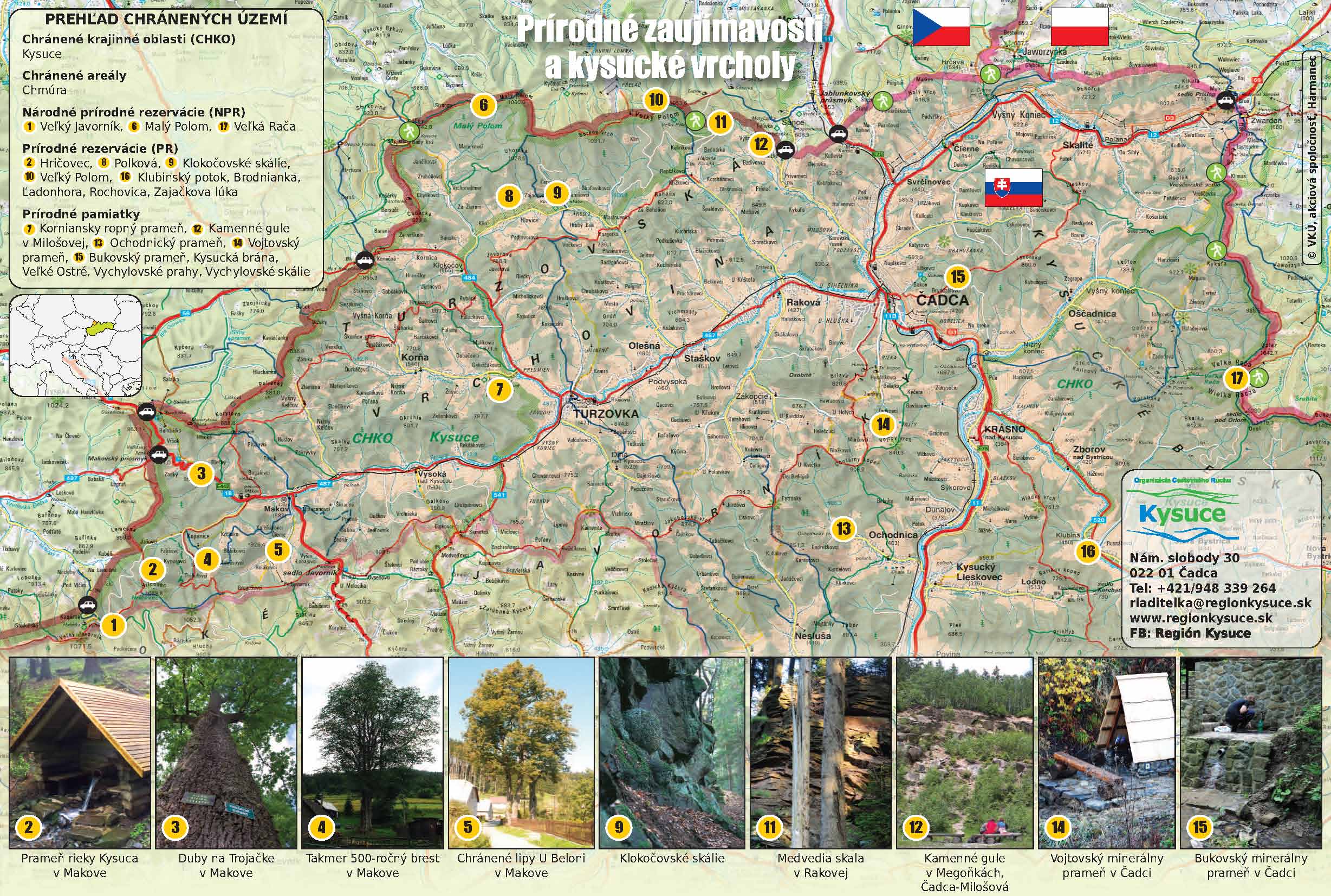
Check the map marking the natural attractions around Kysuce
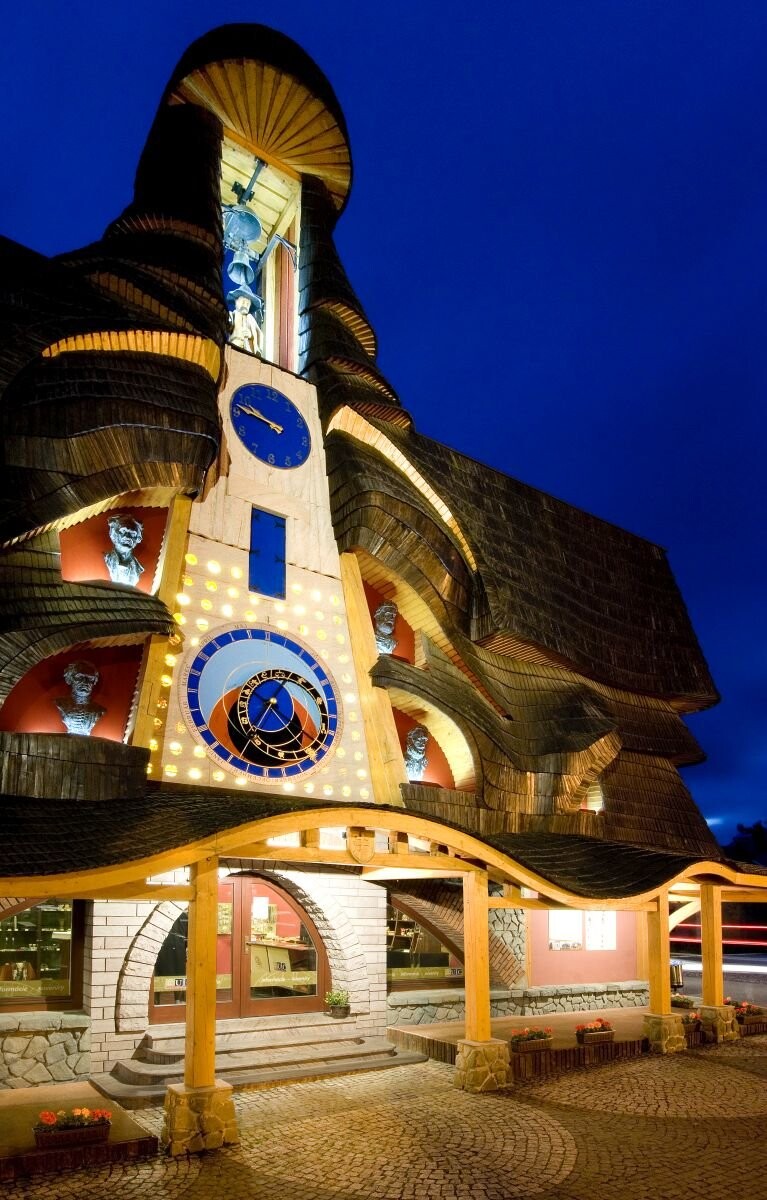
The biggest wooden statue in Slovakia is situated in Stará Bystrica. It figures the sitting Virgin Mary - the patron of Slovakia. Several architects, carvers, technicians, builders, stonemasons from Slovakia and the Czech Republic participated in the process of its construction.
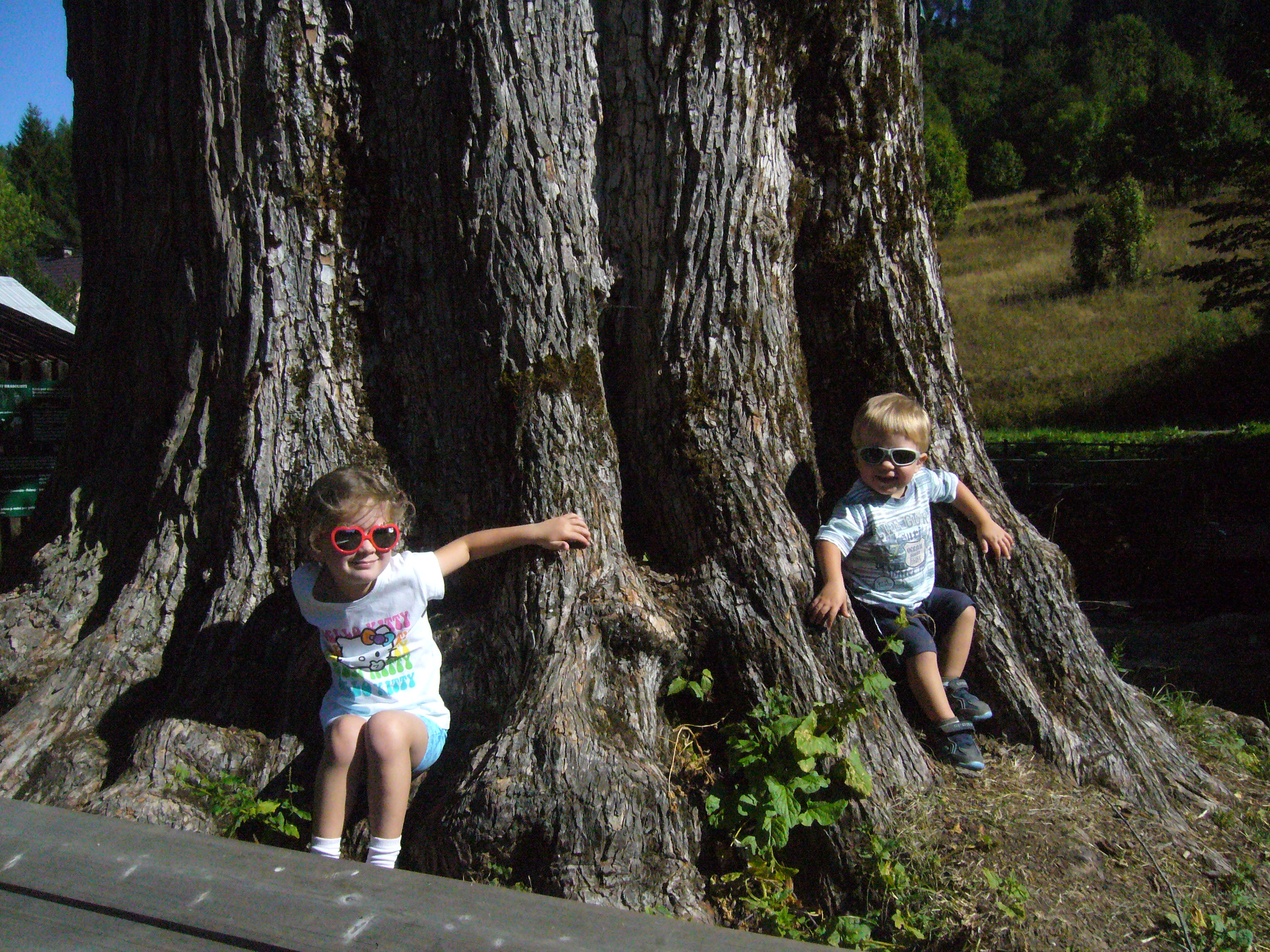
The oldest Smooth-leaf Elm in central Europe, almost 500 years old, grows in the village of Makov, in settlement “U Papaji”. This specimen of Smooth-leaf Elm, Ulmus carpinifolia, is unique for its age and for its unusual robustness. The body circumference is 625 cm at 130 cm height and over 11 metres at the root.
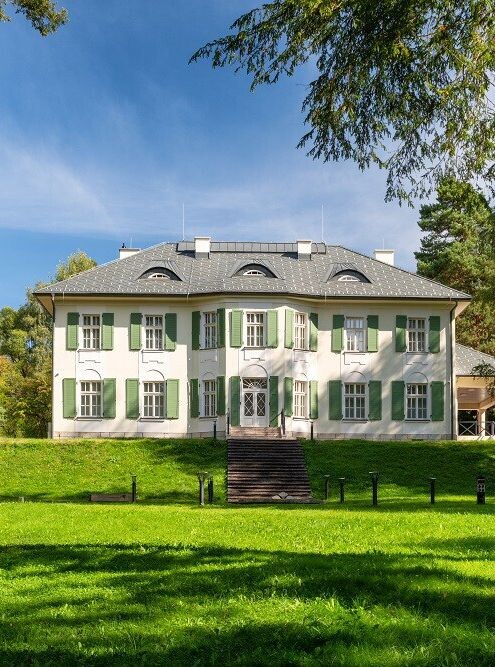
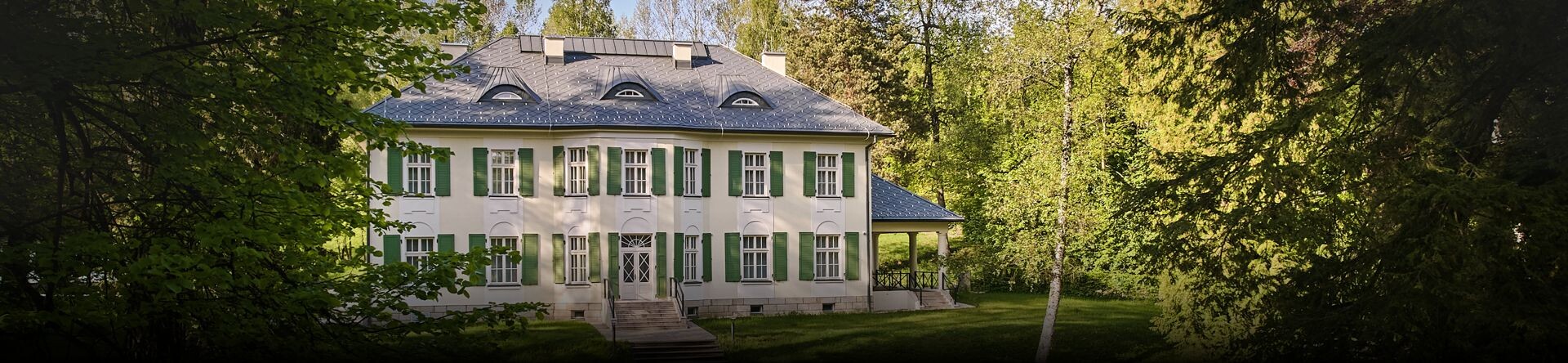
The site where the manor-house is built, was purchased at the beginning of the 20th century by Prussian junker earl Ballestrem from the former owner Arnold Popper.
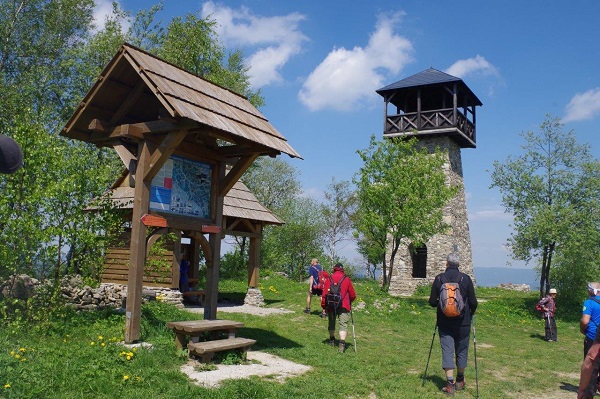
Although viewing towers cannot be considered natural creations or monuments, they will surely enable yo to savour nature and its beauties on the way to them. All of the towers in Kysuce open amazing views of the distant mountains, provided that the weather permits.

The Chapel of Our Lady of Perpetual Help called "Olešňanský Klin", or "Chapel on Muřínkov vrch" was built in 1932 at the initiative of the spouses JUDr. Vladimír and Jasefka Nárožný.

"The world is open to you". With such words, a newborn baby male was welcomed. A grannie wrapped him in a blanket, put him on a shovel and pushed him out through the open window three times.
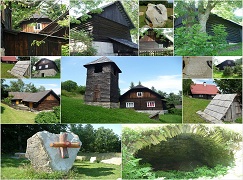
The settlement of Greguše is located 5 kilometres above the village of Makov at an altitude of 960 m above sea level.

The Kysuce Museum in Čadca administers five expositions that offer a wide portfolio of cultural and historical aspects related to the Kysuce region.
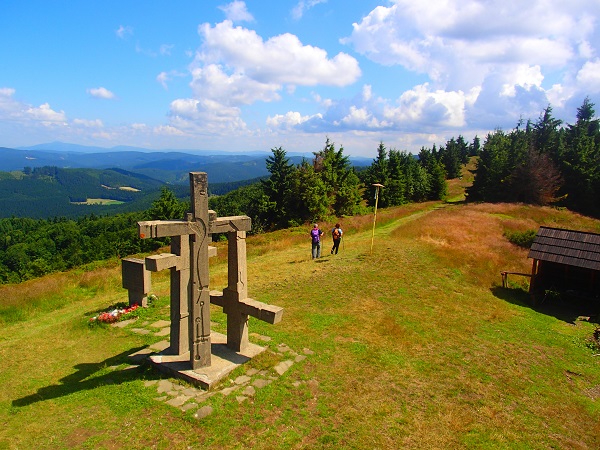
Established in 1984, the protected landscape area Kysuce has an area of 65,462 ha.
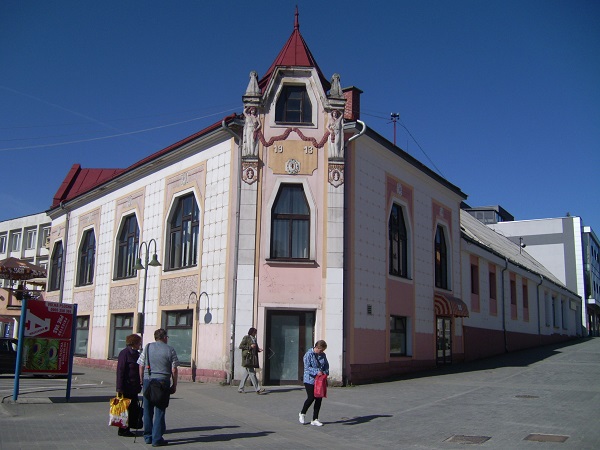
Walking through the town of Čadca almost every day we have become familiar with the buildings standing around. However, did you know that ten of them are registered in the Central List of Cultural Monuments of Slovakia?
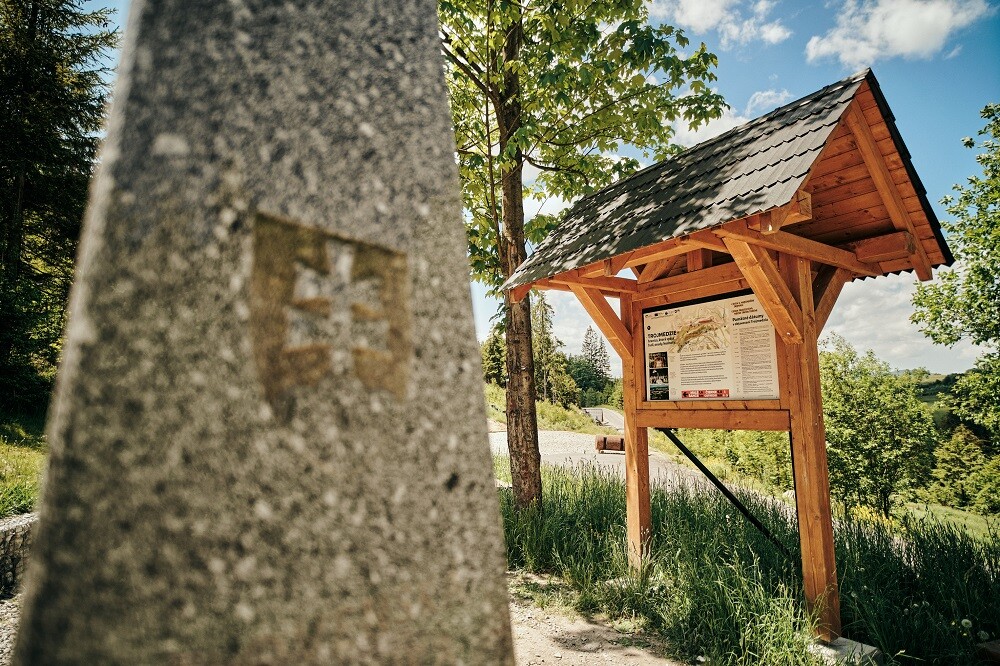
Trojmedzie is a place where three countries meet – Slovakia, Czech Republic and Poland. It is a starting point of 541 km of Slovak-Polish border and 251 km of Slovak-Czech border.
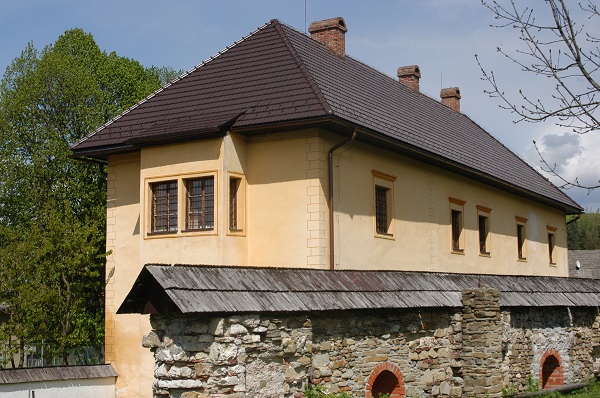
The Manor House in Radoľa is located near Kysucké Nové Mesto. This village is considered one of the oldest villages in our territory. The first written mention comes from the 13th century when papal legates collected church tithes on the territory of present-day Slovakia.
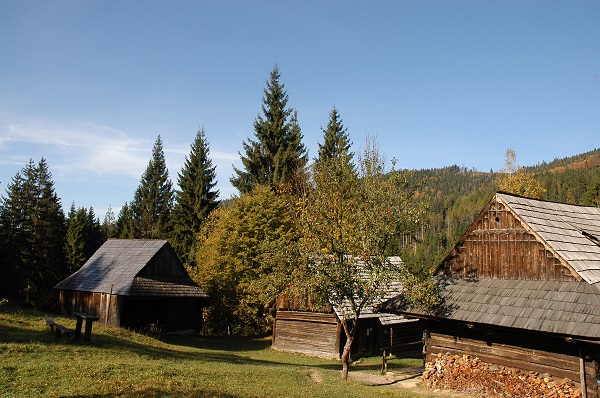
Numerous monuments of folk architecture, indescribable flora and fauna and omnipresent silence, this is what the Museum of the Kysuce Village in Vychylovka offers.
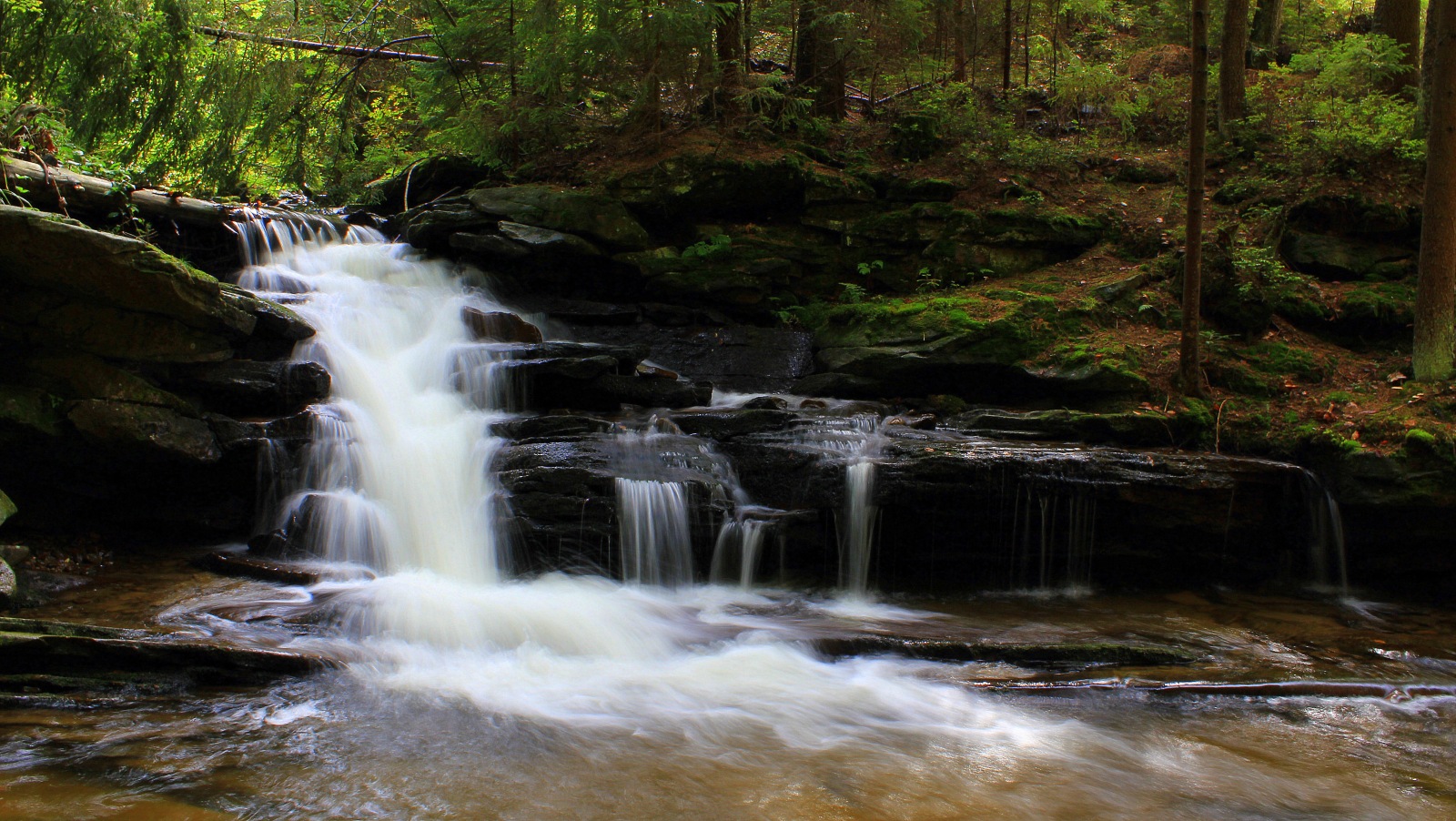
Traditional and historical, peaceful, and humble, and above all rich in natural beauty and attractiveness, this is the region of Kysuce. Everyone will find something here, whether they are looking for relaxation or just want to experience more adrenaline activities.
Kysuce is a region ideal for active relaxation – whether hiking and cycling suitable for both, adults and kids, sporting activities or various adrenaline attractions.
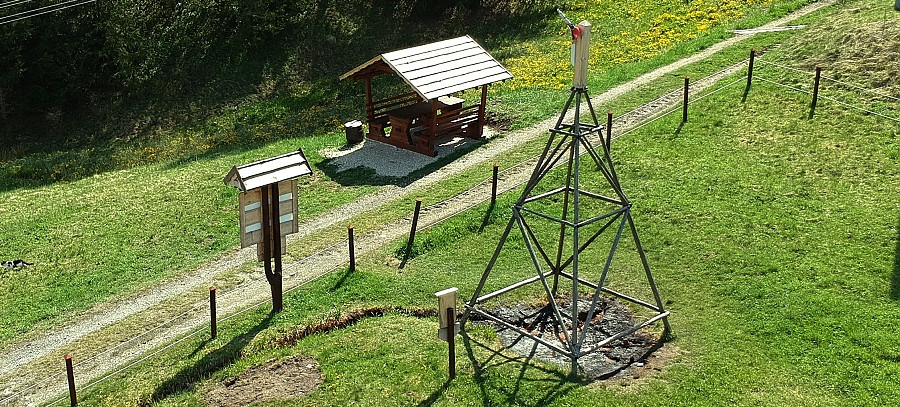
In addition to the stone spheres in Megoňky and Klokočov,Kysuce features another European geological rarity – a naturally surfaced light crude spring with occasional discharge of self-igniting methane can be found on the east edge of the region and the nearby settlement of Muchovec in village Korňa.
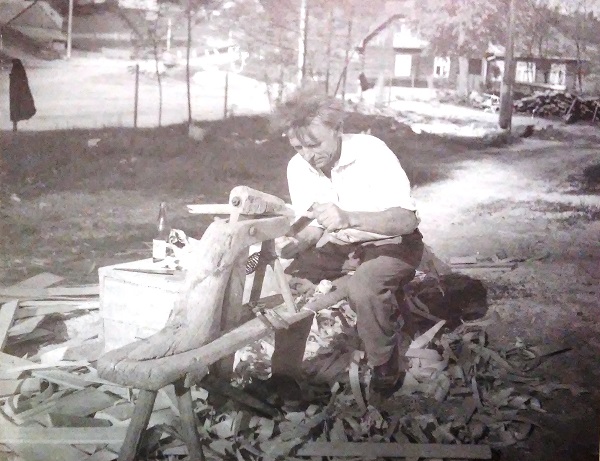
In the past, crafts were a vital source of living for the people of Kysuce. They were passed down from generation to generation. Individual products differed from each other in a certain way and it was not difficult to recognize the work of individual masters.
Without exaggeration, it can be said that wood made up most of the common household items in the past. It is probably hard to imagine material culture or life of our ancestors in general.
THE SHORTEST distance between Slovakia, Czech Republic and Poland... is in Trojmedzie, a point where you can hear three languages but still everybody understands you.
Being in three countries at the same time does not seem to be impossible anymore.
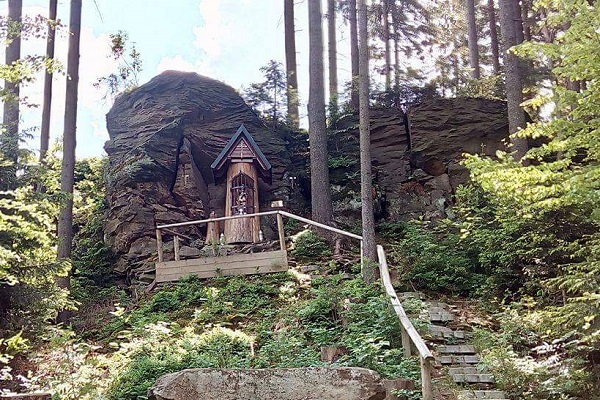
The natural reservation,Veľký Polom is situated in cadastre of the village of Raková, in the upper part of Veľký Polom (1,067 meters above sea level). In order to preserve the mountain spruce- fir-beech forest communities, the area of 46 ha became a natural reservation in 1993.
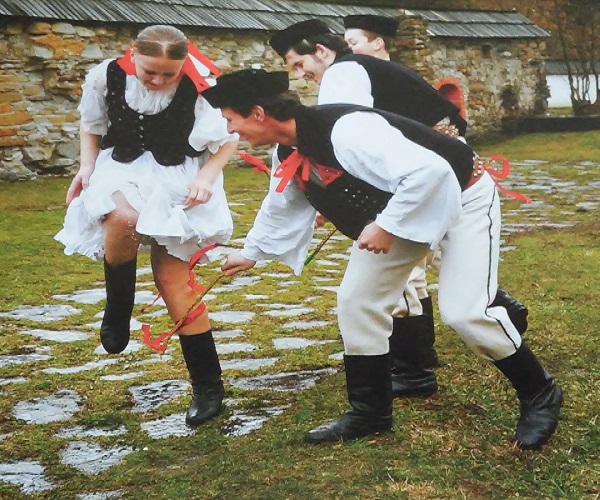
Easter does not have a fixed date in the calendar. It is tied to the spring equinox. The starting day is Sunday, which is set as the first Sunday after the first full moon coming after the astronomical day of the vernal equinox (around March 20).
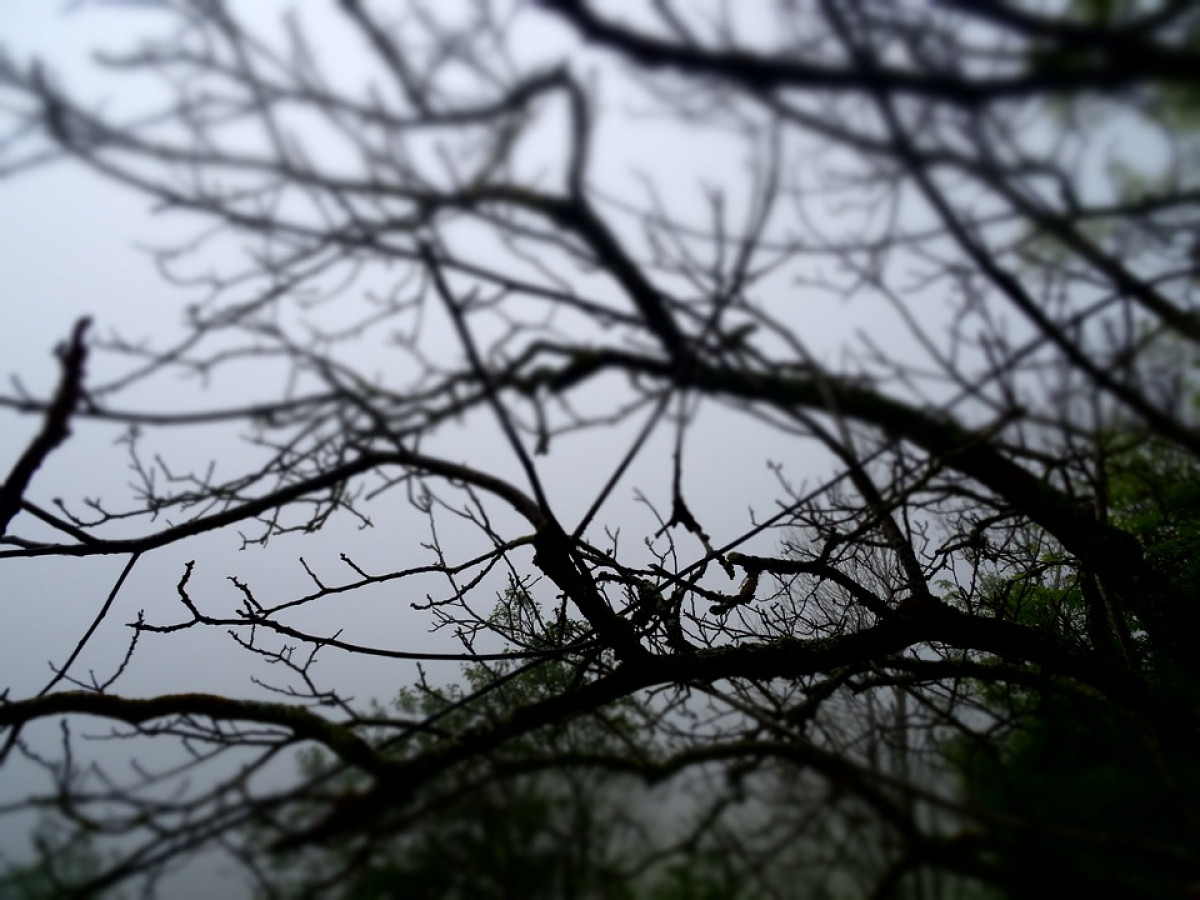
Our grandparents used to scare us with stories about evil creatures abducting bad people. Of course, in childhood we believed the stories and were afraid to stick our noses out from under the covers. Today, we can only laugh at the ghost stories that were a true scare for the people in the past.
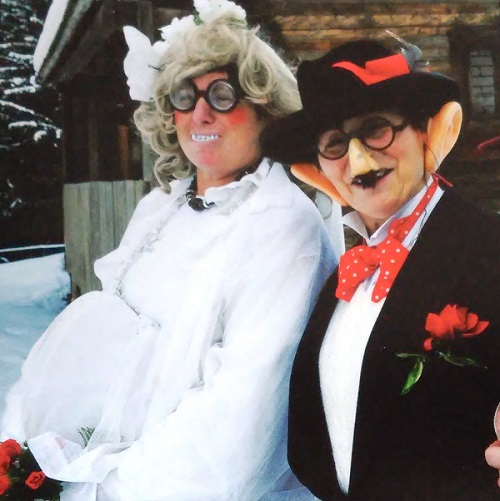
The period of abundance and merriment lasting from Three Kings to Ash Wednesday is called Shrove Tuesday. The carnival period in Kysuce was associated with numerous weddings and occasional entertainment events.
NPR Veľký Javorník – protected area with occurrence of precious fauna and flora species.